Writes the Culture desk: how ordinary purchases picked up club language, licenses, and status, and what changed in the contract rather than the mood.
About the desk
Covers Culture Column's Culture section. Essays stay on a named shift (subscriptions, 'buy' as a license, objects as collectibles) and the record behind it.
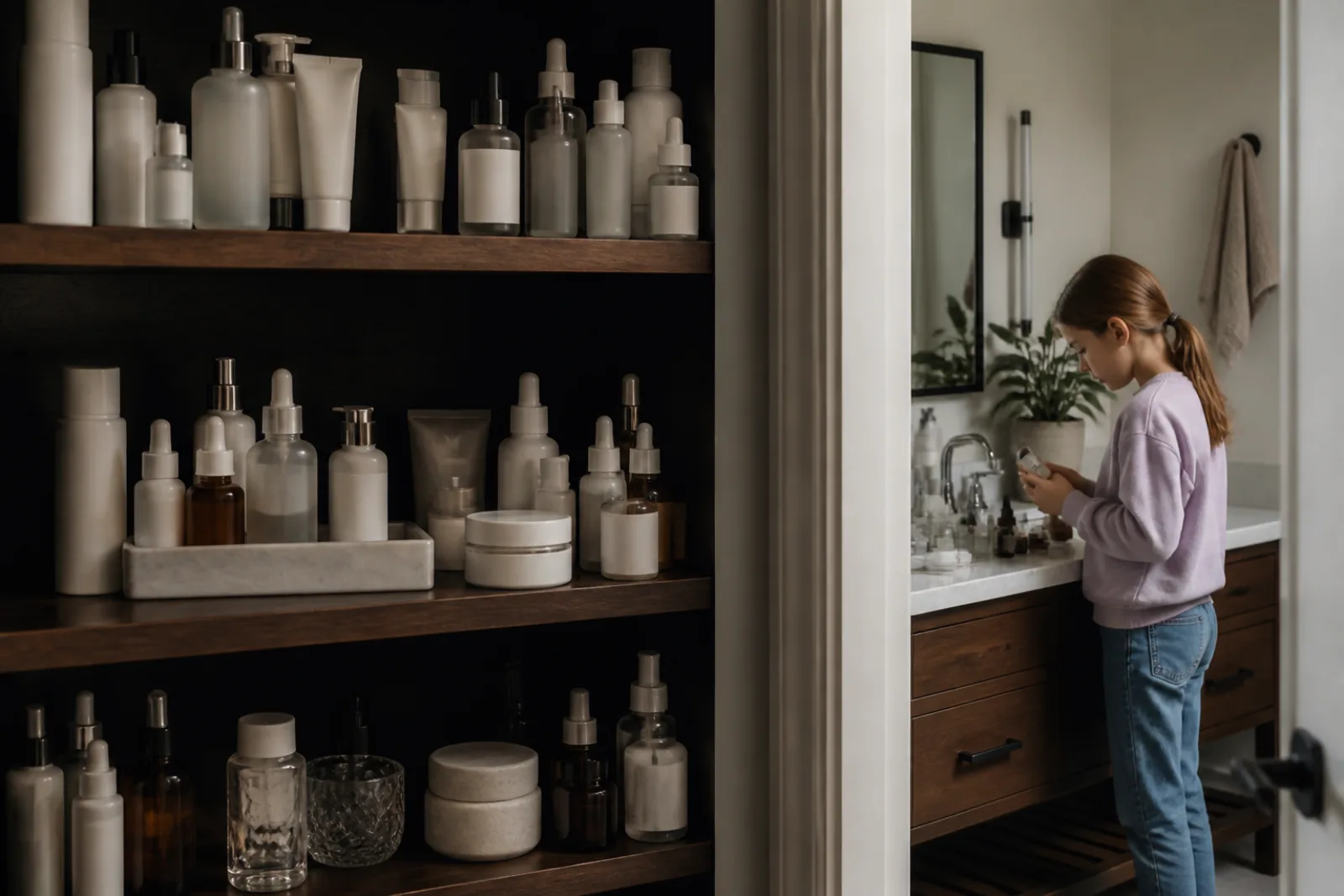
Skincare brands turned the bathroom shelf into free advertising because their products have no visual payoff to film. What followed: a billion-dollar aesthetic, tween shoppers, and dermatologist warnings.
The CFPB found a third of BNPL borrowers use multiple lenders simultaneously, and frequent users carry hundreds of dollars more in other debt. Then the agency withdrew the rule that would have regulated it like a credit card.
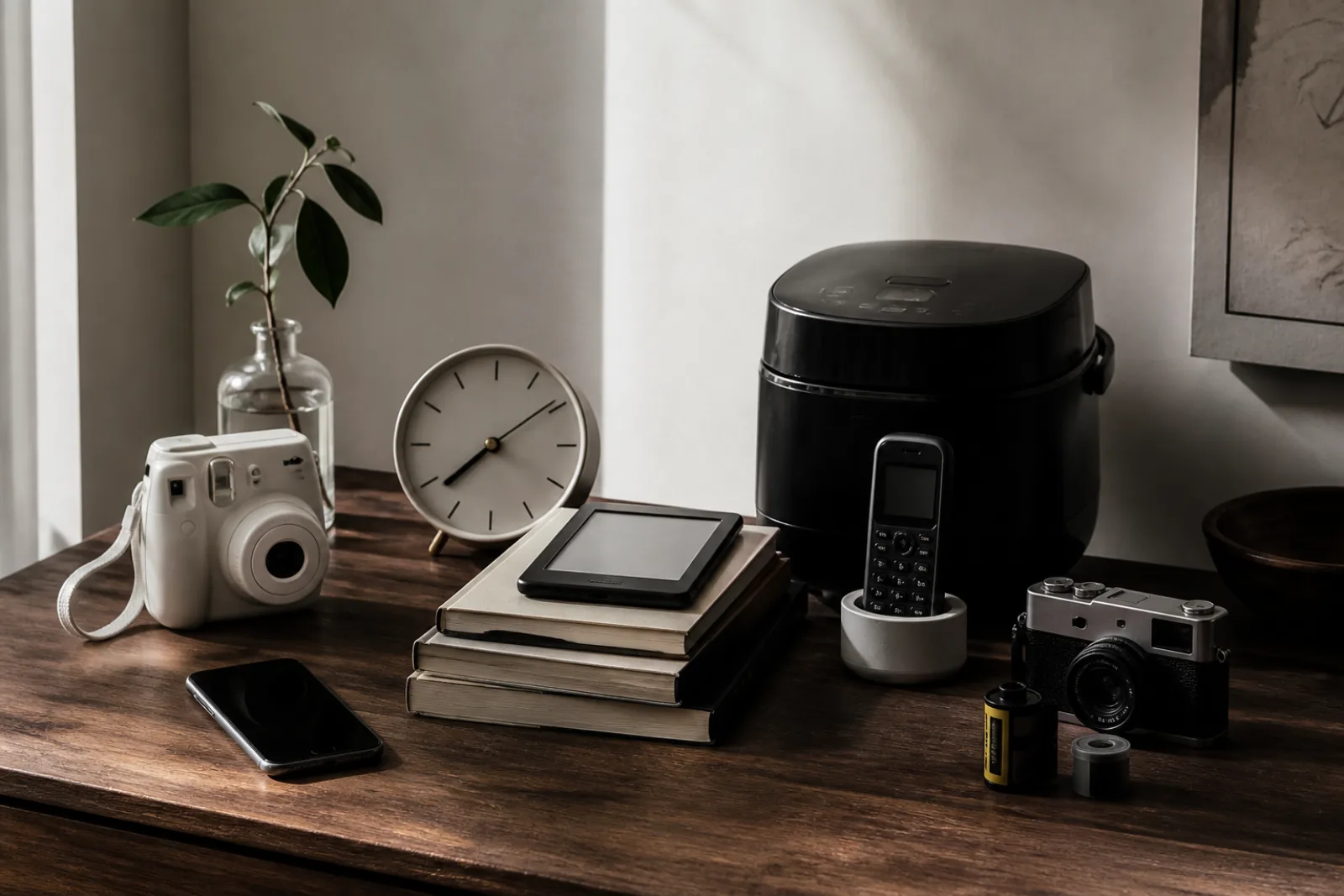
Smartphones went from 35 percent of U.S. adults in 2011 to 91 percent in 2025. Dedicated cameras, clocks, and e-readers did not vanish. A smaller, often premium market formed around objects that refuse extra jobs.
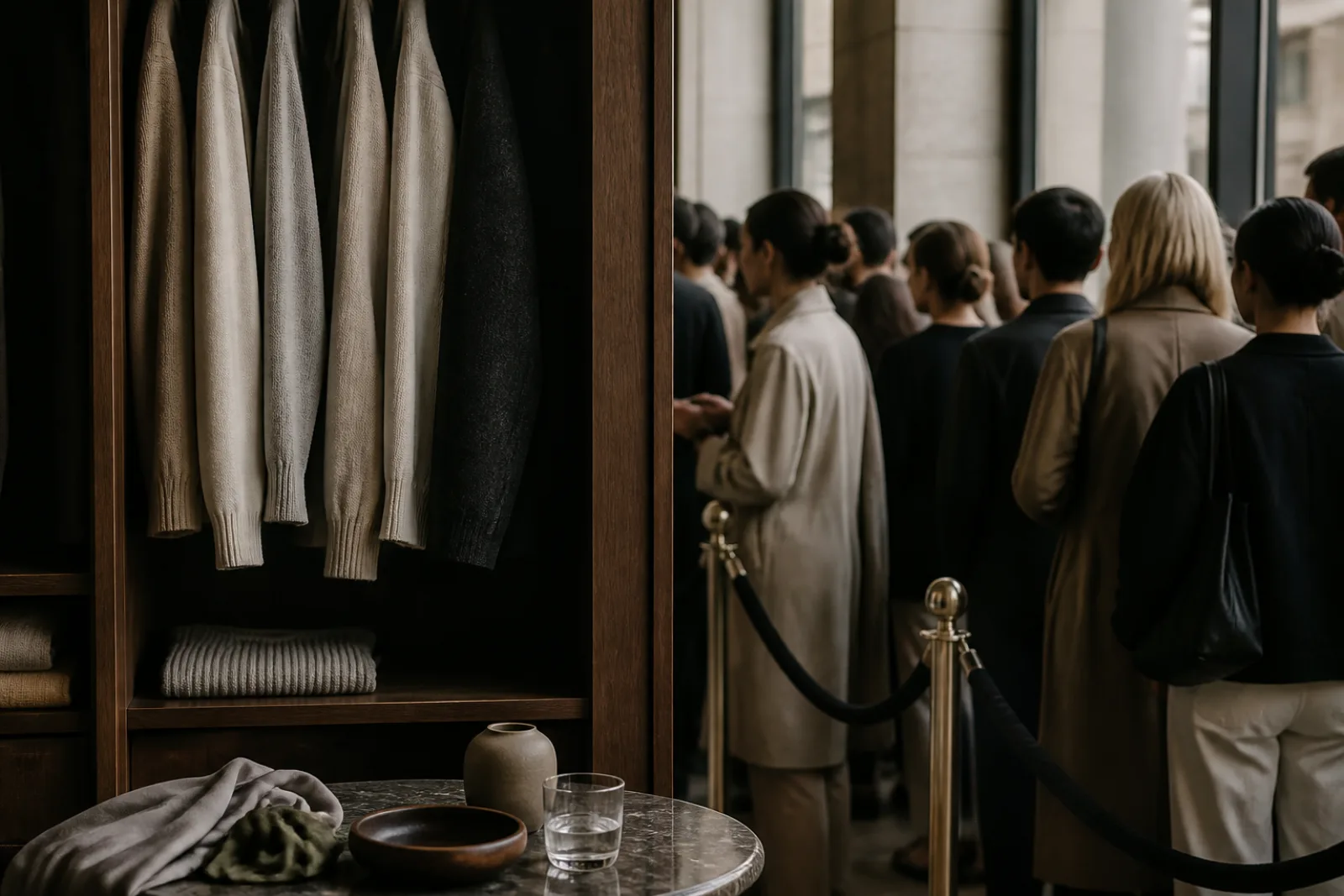
LVMH still called Loro Piana remarkable in 2024 and 2025 while Fashion and Leather Goods shrank. Quiet luxury as a TikTok era had dates. Understatement as a class signal did not begin or end with them.
Phishing, reused passwords, and skipped updates are still the failures. What changed is that households share accounts and devices, so recovery and a shared vault matter as much as any one person's hygiene. CISA's advice scales only if you treat the home as the unit.
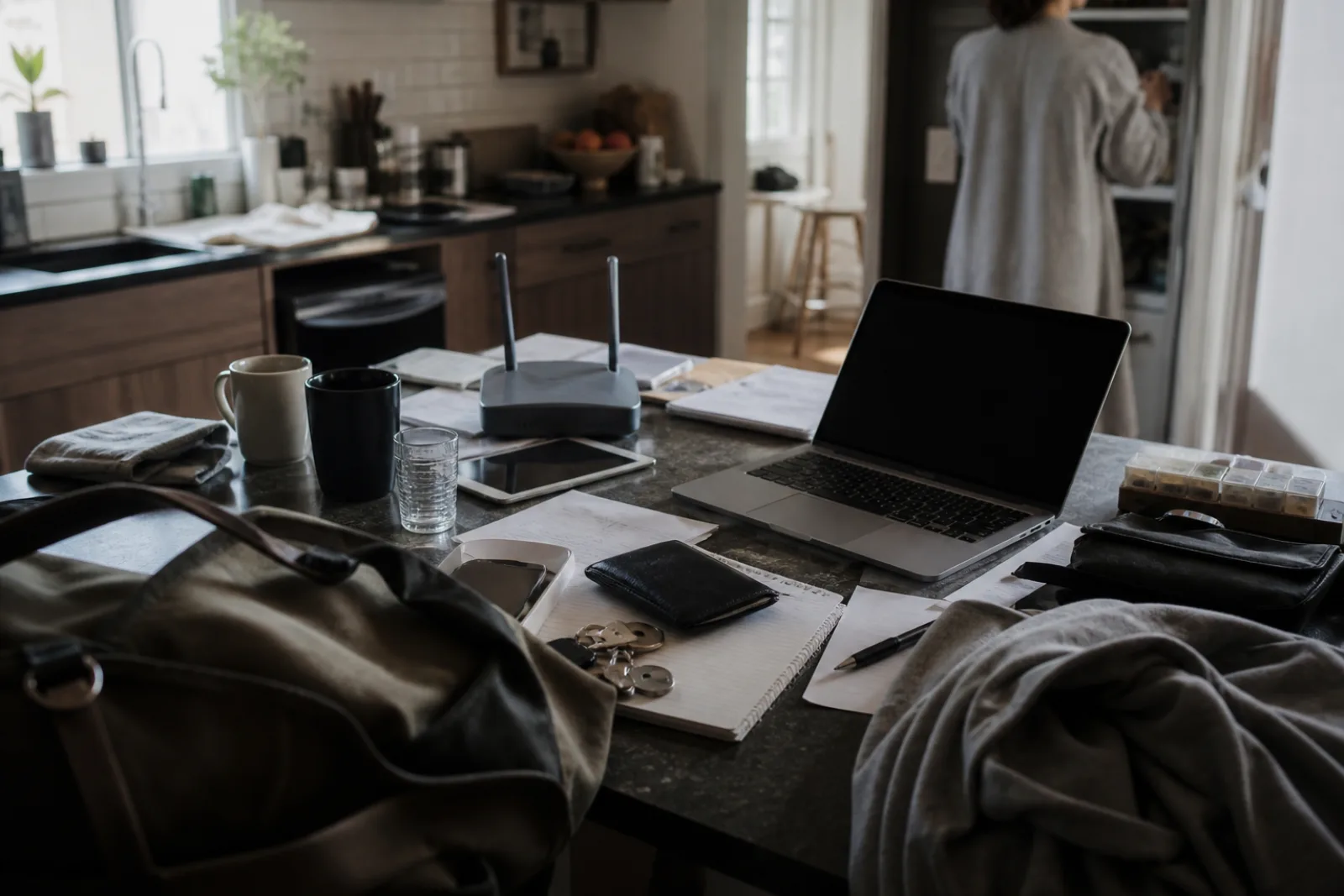
BLS counted 35.5 million U.S. teleworkers in early 2024. Desk-tour culture turned that room into a portrait. OSHA and Cochrane describe posture and sitting time. The photograph describes taste. Those are not the same evidence.
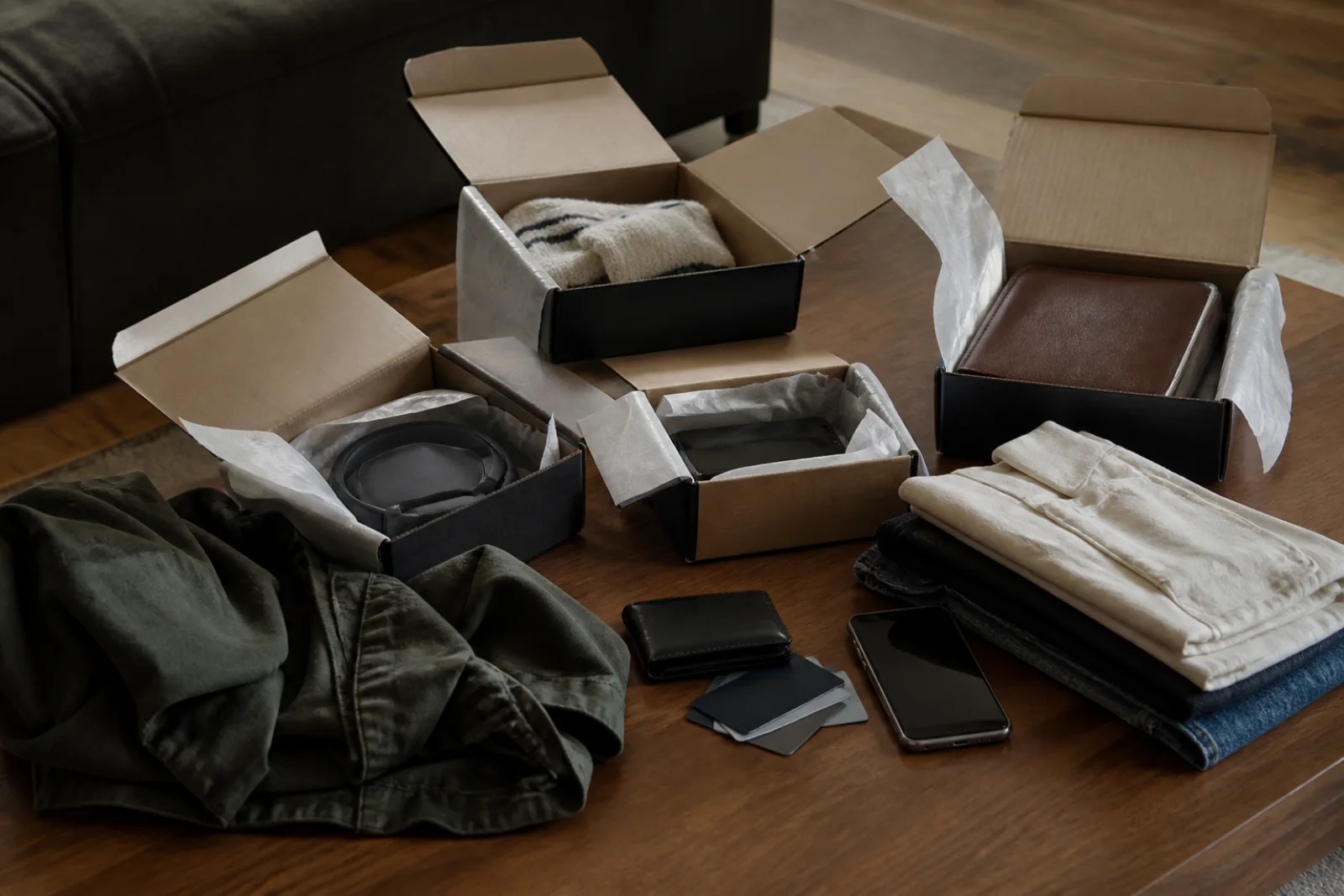
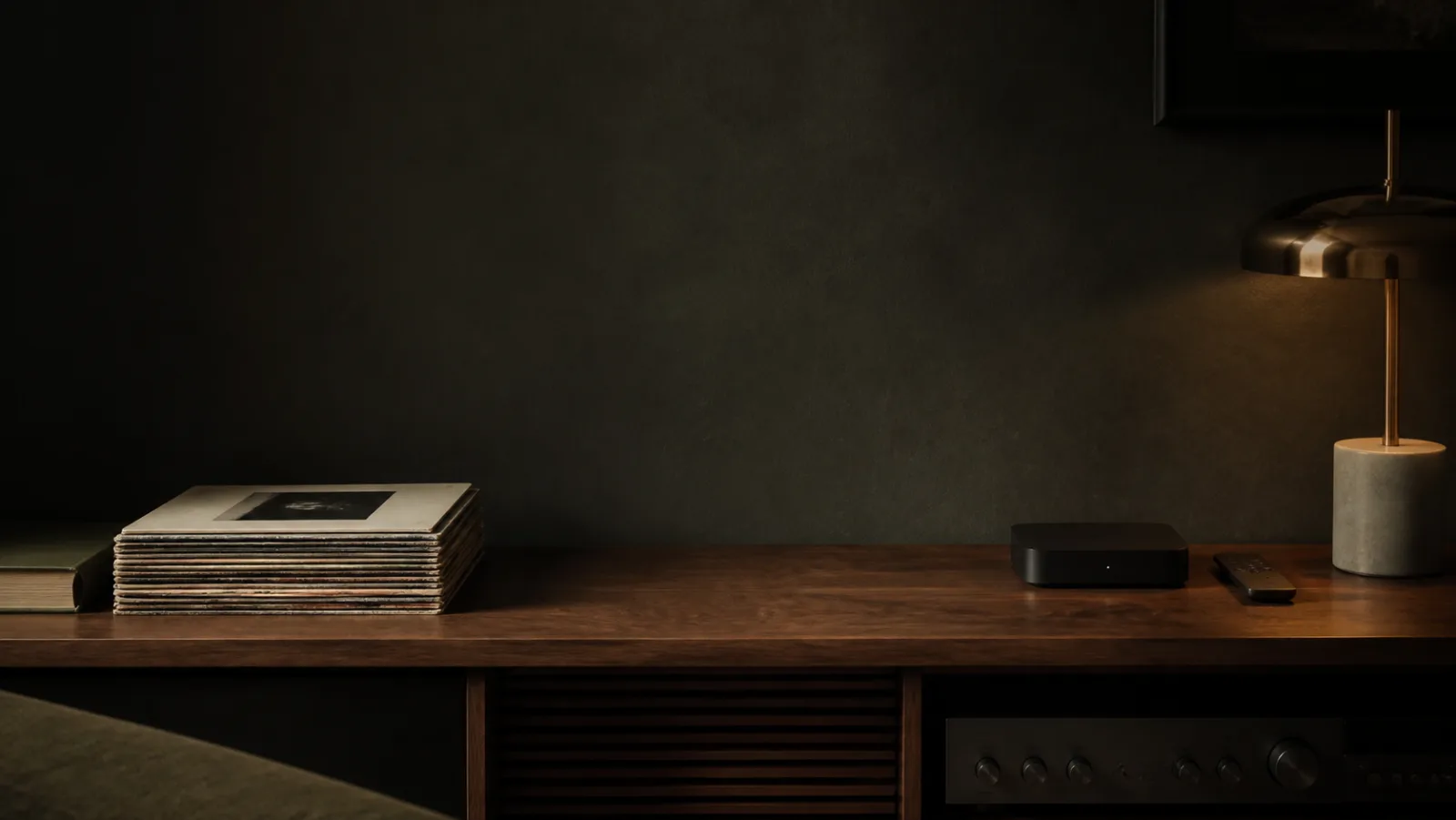
US disc sales fell below $1 billion in 2024 while streaming took 91 percent of home entertainment. Courts treat many digital purchases as licenses, which is why a Steam game does not resell like a DVD.
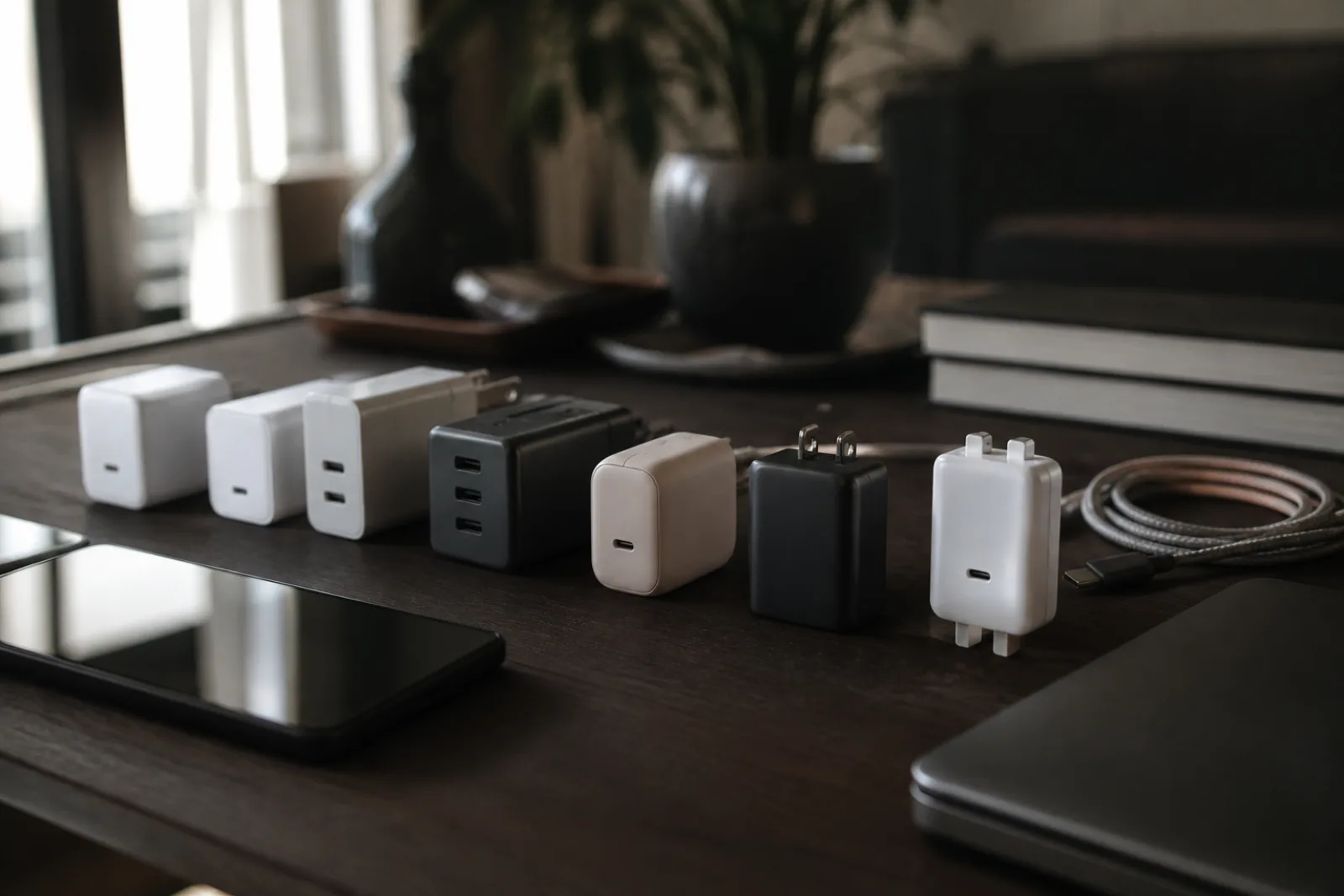
The EU estimated 11,000 tonnes of charger e-waste a year and made USB-C the common port. GaN made bricks small. Taste rushed into the gap where Power Delivery profiles, cables, and certification are actually doing the work.
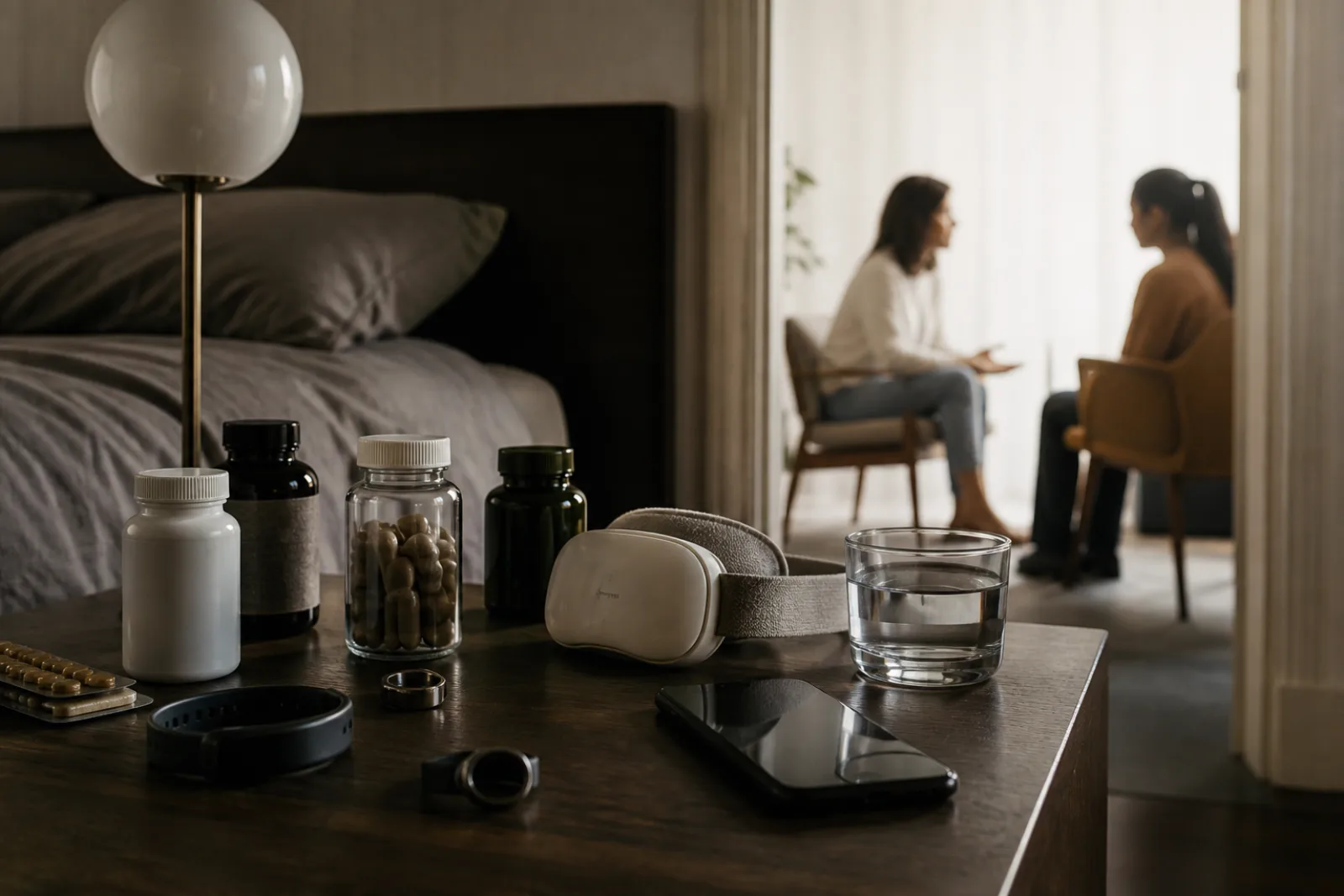
Sleep product markets are estimated in the tens of billions while short sleep among US adults has held near 30 to 35 percent for a decade. The best-evidenced treatment is a therapy, not a product.
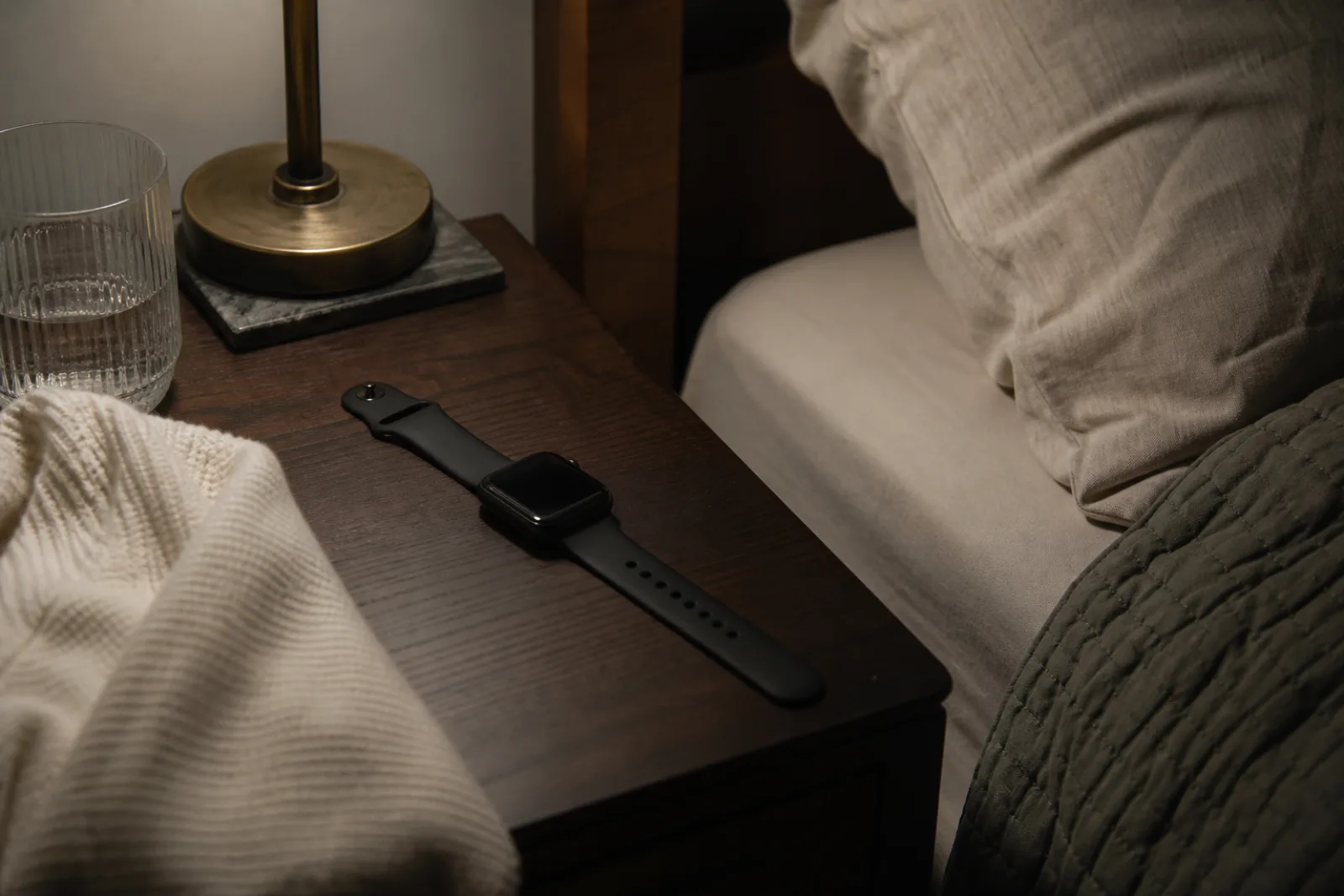
Wearables detect sleep versus wake near 95 percent in lab tests, but stage agreement often falls to the 50s. FDA still treats most scores as wellness, not medicine, so they can look clinical without being cleared.
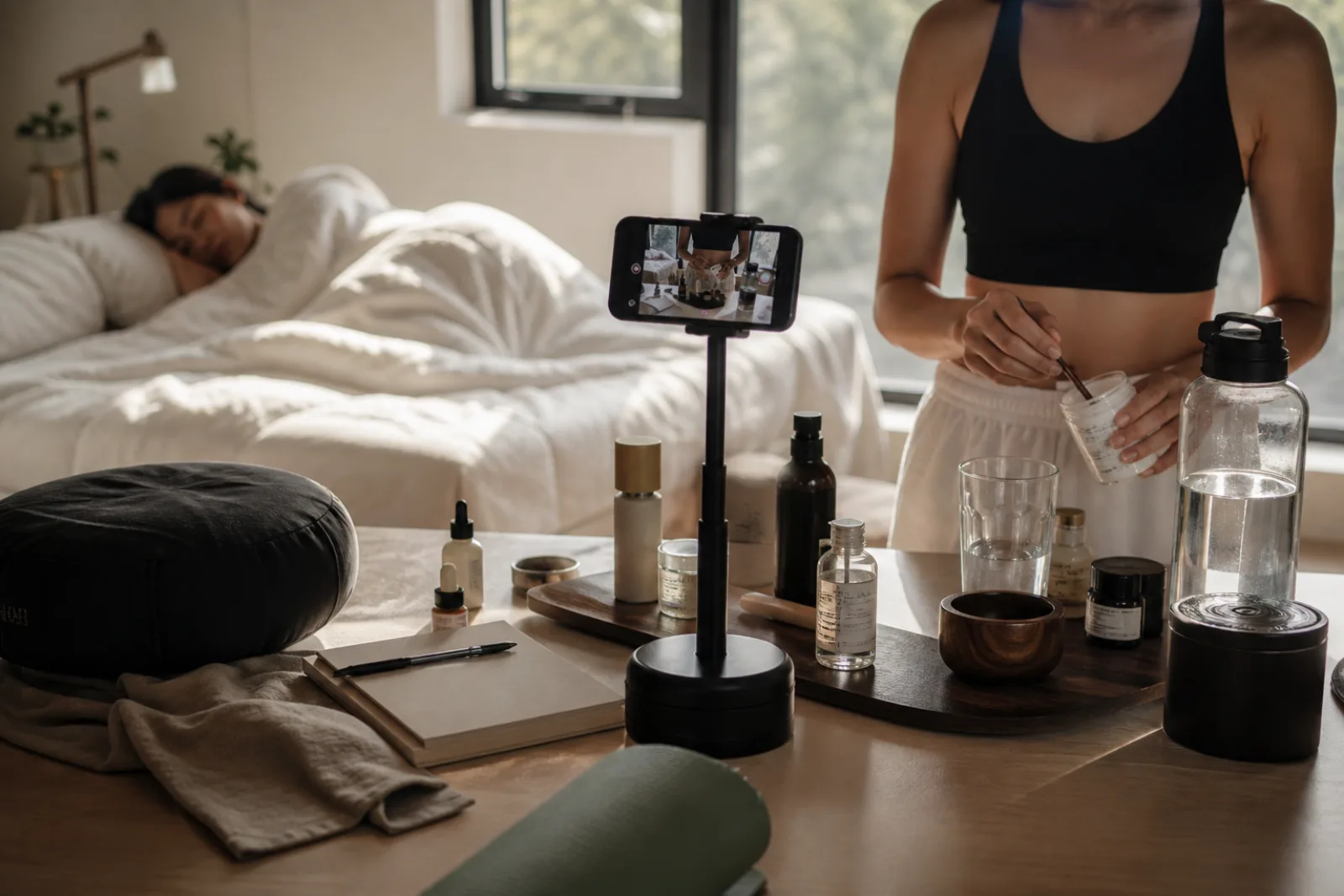
The habit-tracking app market is worth an estimated $13 billion and over half of users quit within a month. Here is what the morning-routine boom actually sells versus what sleep research says works.
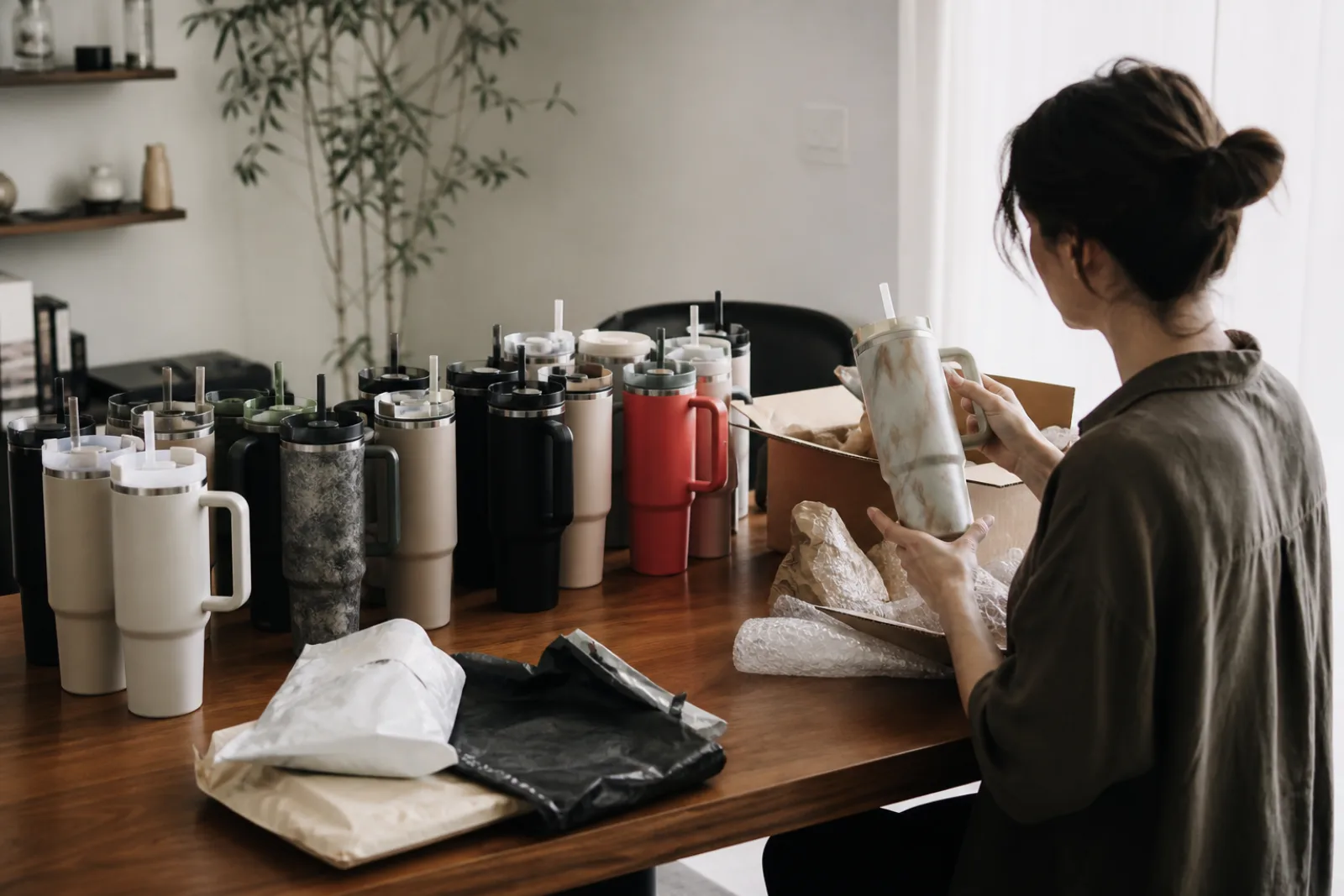
Stanley's tumbler sales grew more than tenfold in five years while a resale market selling $35 cups for $200 and up formed around it. The mechanism is engineered scarcity, not thirst.
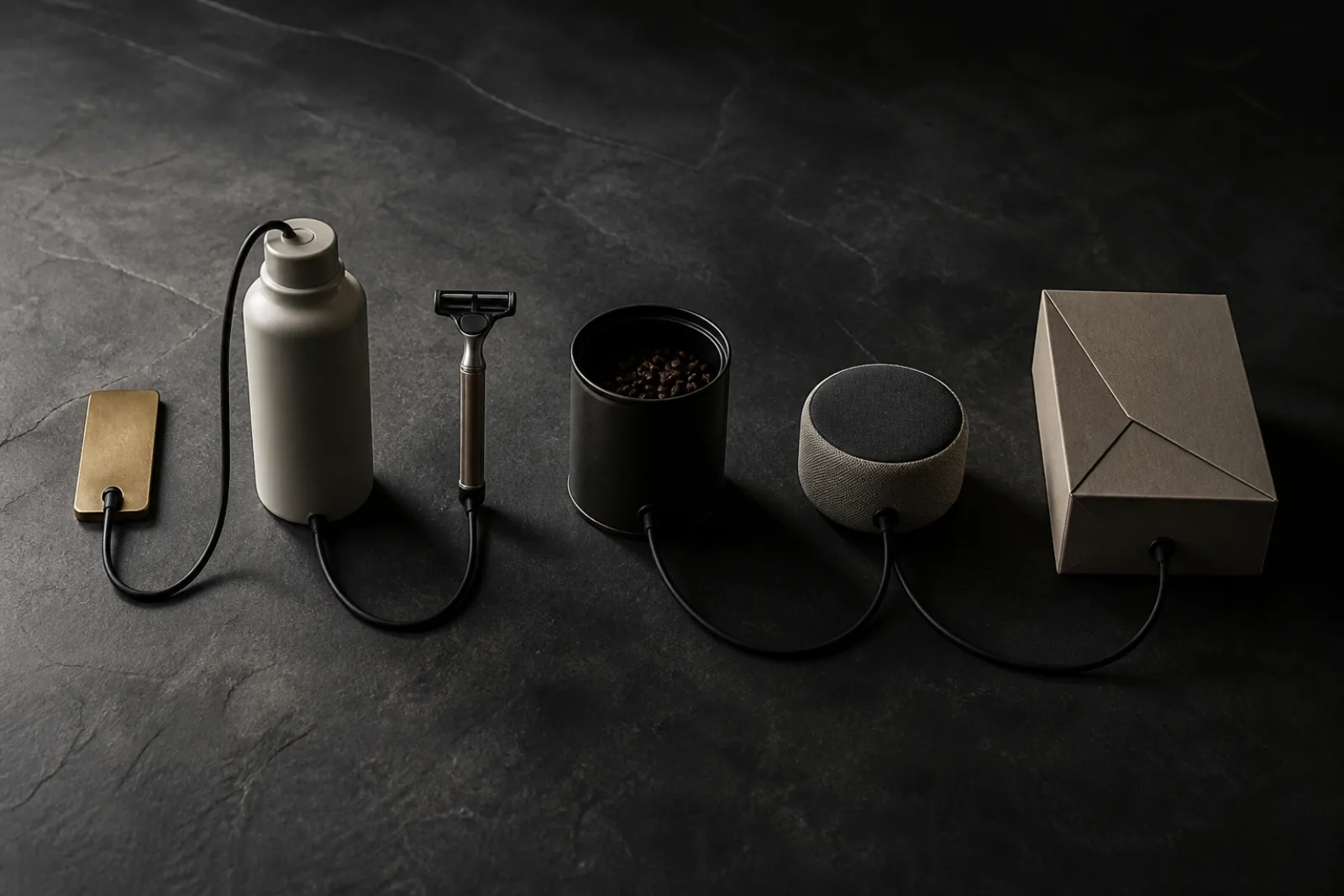
Subscription revenue grew 435 percent over the past decade while regulators tried and largely failed to make cancellation as easy as signup. Here is what actually changed, and what is still unresolved.
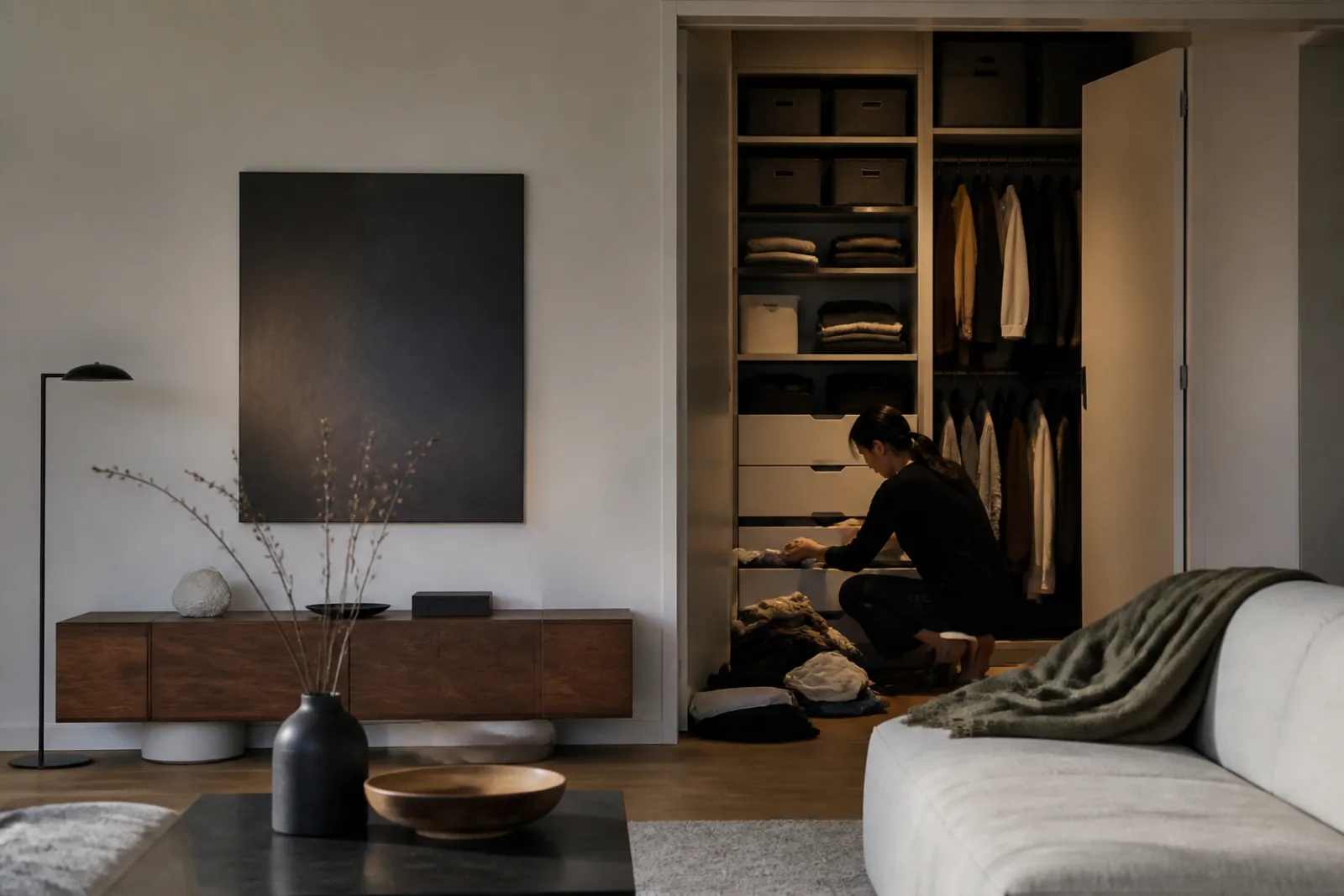
Millennial gray, iOS 7's flat interface, and storage systems that hide daily life turned calm into a look you can buy. The look lasts as long as the labor of putting things away. Concealment is the product. Peace is the copy.
Amazon last disclosed 200 million Prime members in 2021. Its subscription-services line hit $44.4 billion in 2024. Memberships spread because a prepaid club fee raises lifetime value, not because shoppers asked to rent heated seats.