Writes the Technology desk: what a spec changes at home, what a setting actually does, and which security steps a household can keep.
About the desk
Covers Culture Column's Technology section. Typical subjects are Wi-Fi, chargers, phones, and account security, tied to a source and a limit on what the page can claim.
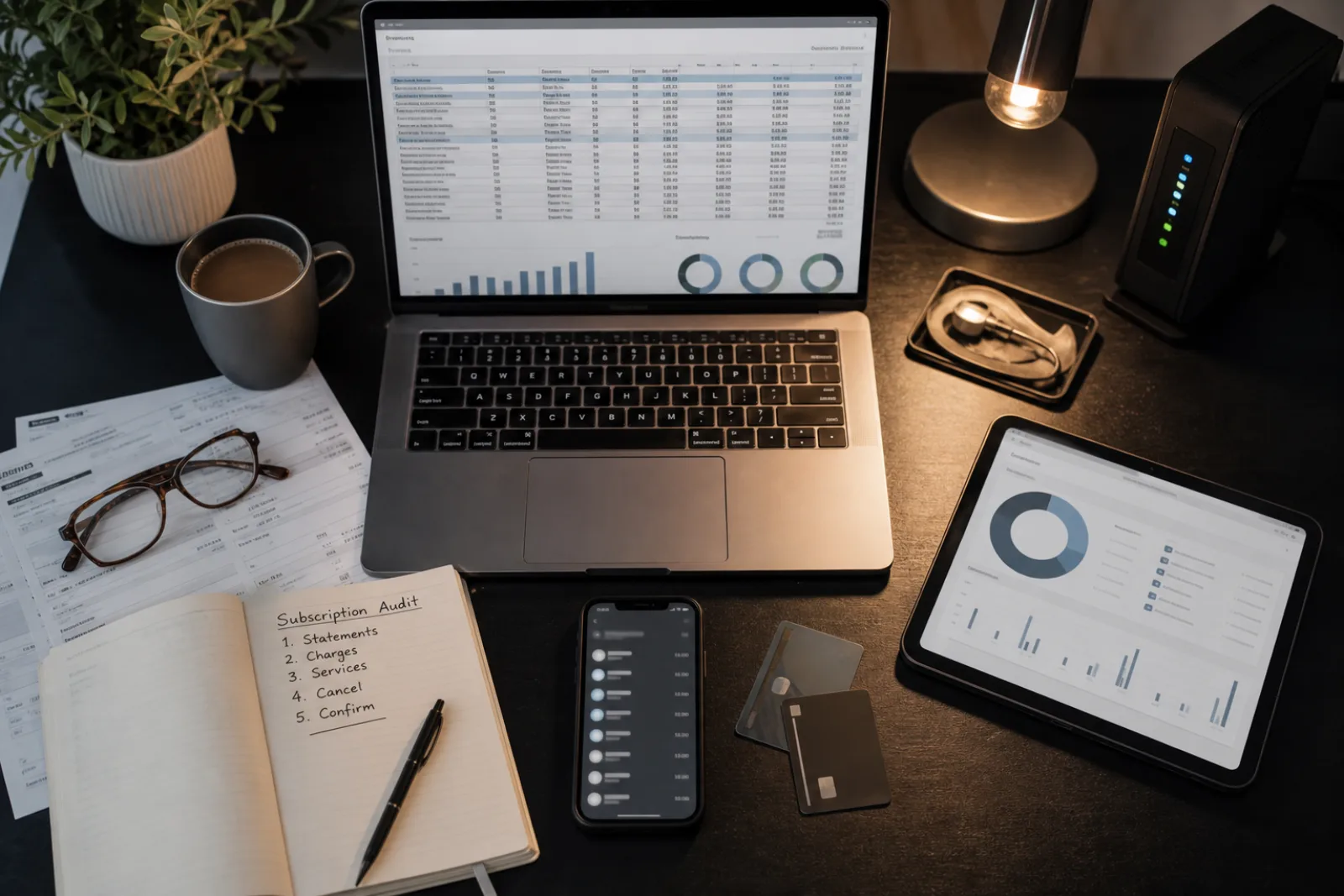
An app icon and a subscription are two separate things; removing one does not touch the other. Here is how to find every recurring charge using your actual payment records instead of your memory.
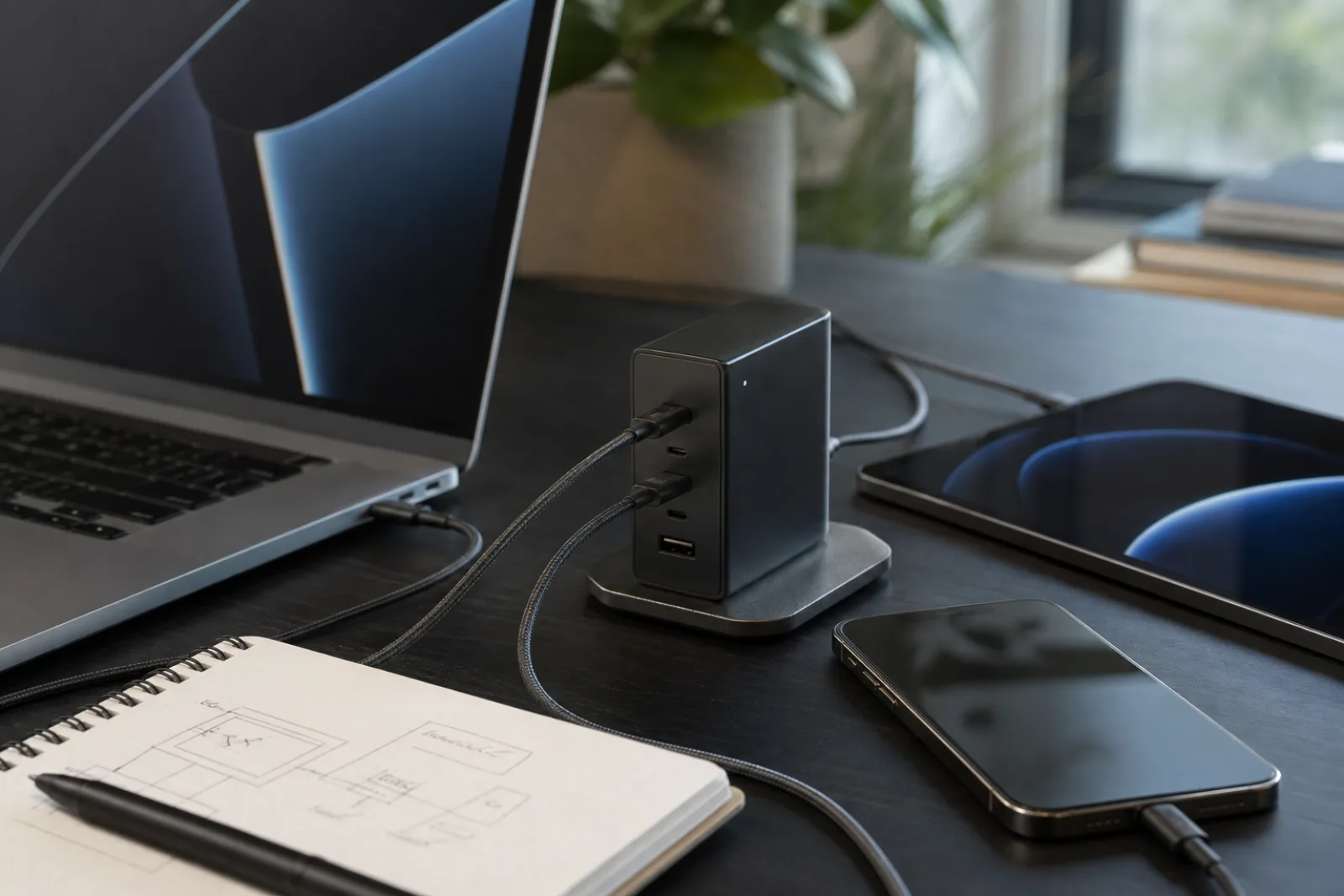
List each device's USB PD need, then buy a charger whose per-port output meets the laptop and whose shared budget still feeds the phone. Cables above 60W need an e-marker. Total wattage is not per-port wattage.
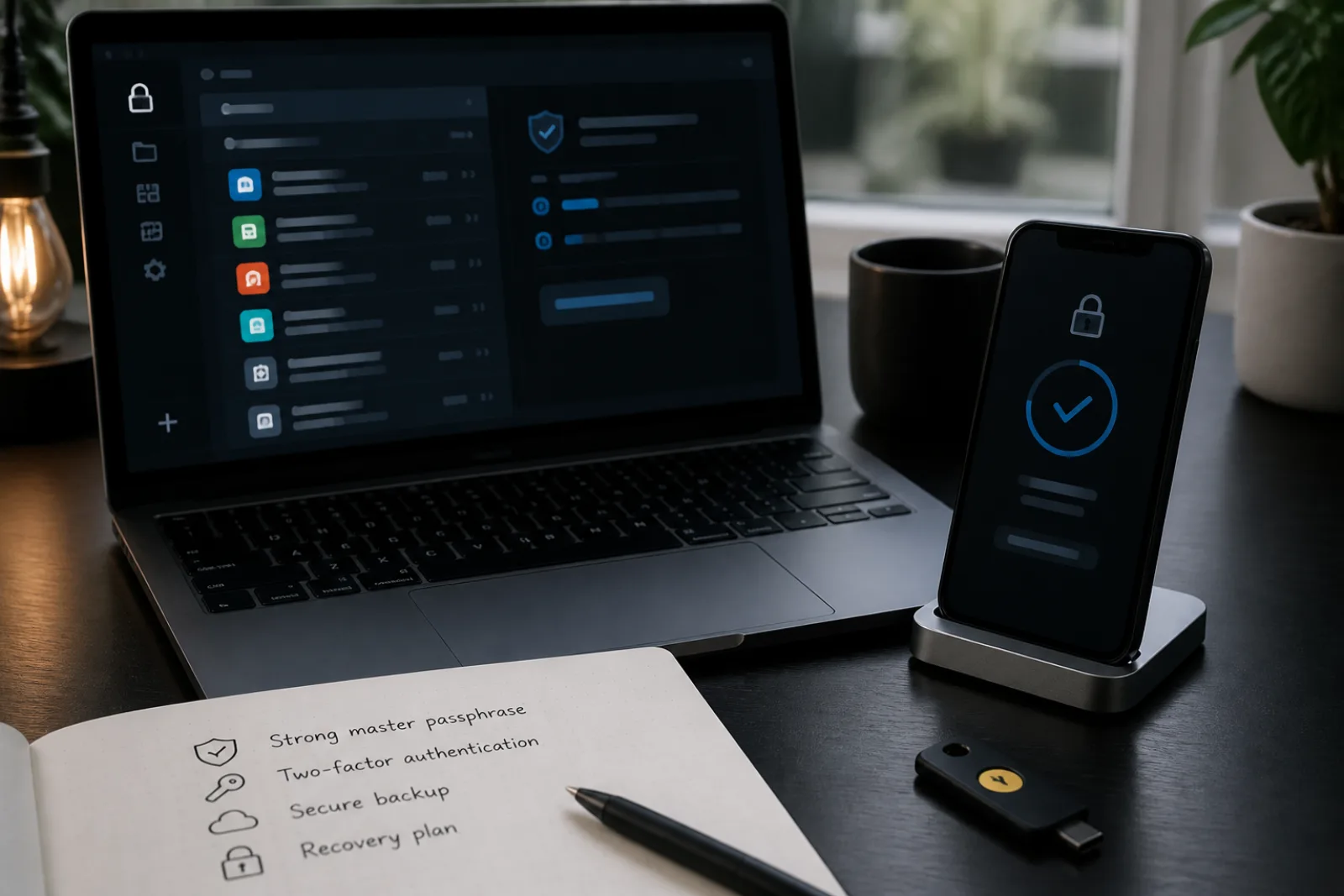
NIST and CISA both now recommend password managers outright. Here is what to check before committing: vault protection, export formats, and what a lost master password actually costs you.
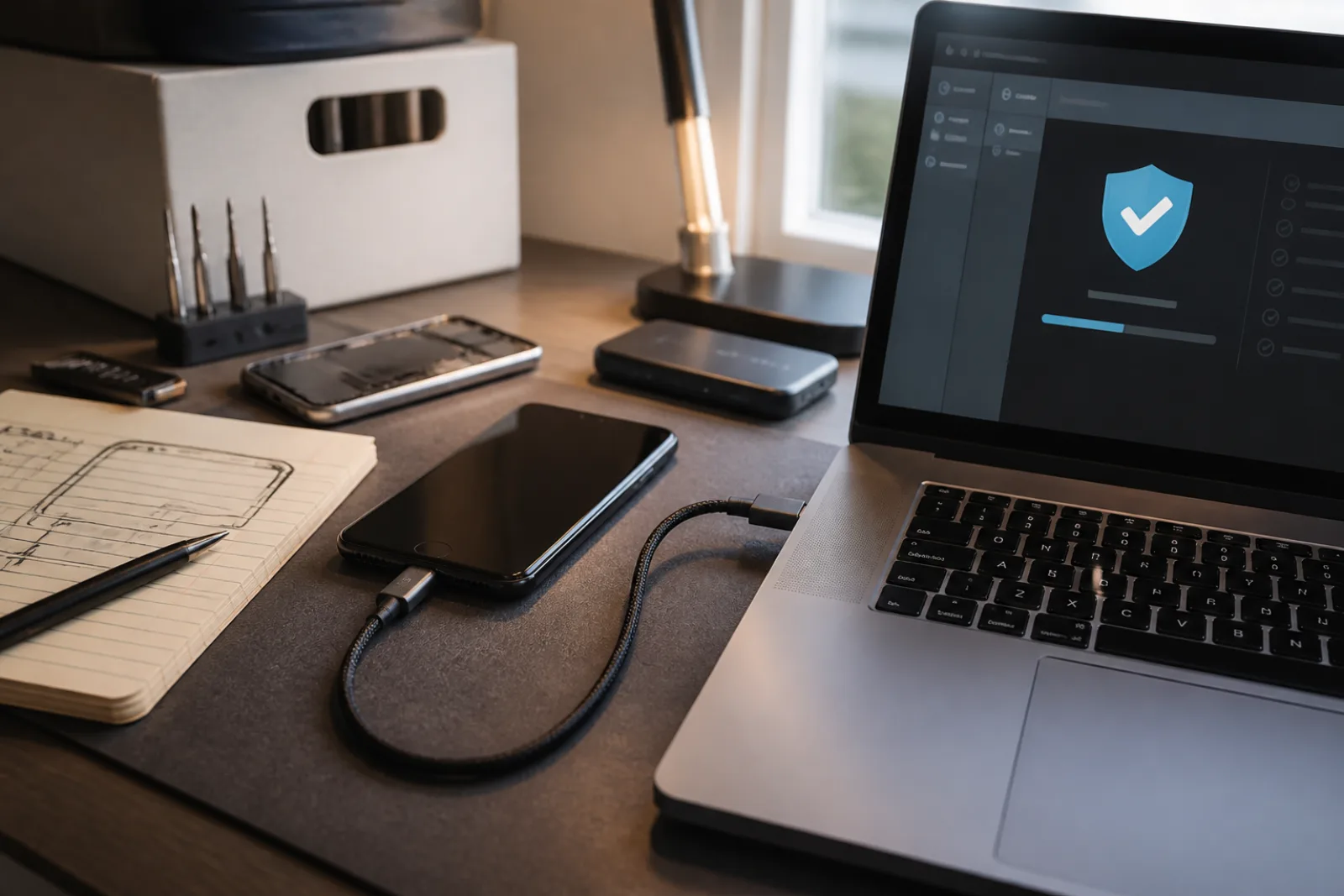
Replace a phone or laptop when security updates have stopped. If it still gets patches, a battery, storage cleanup, or a real repair often fixes the slowness that feels like the device is done.
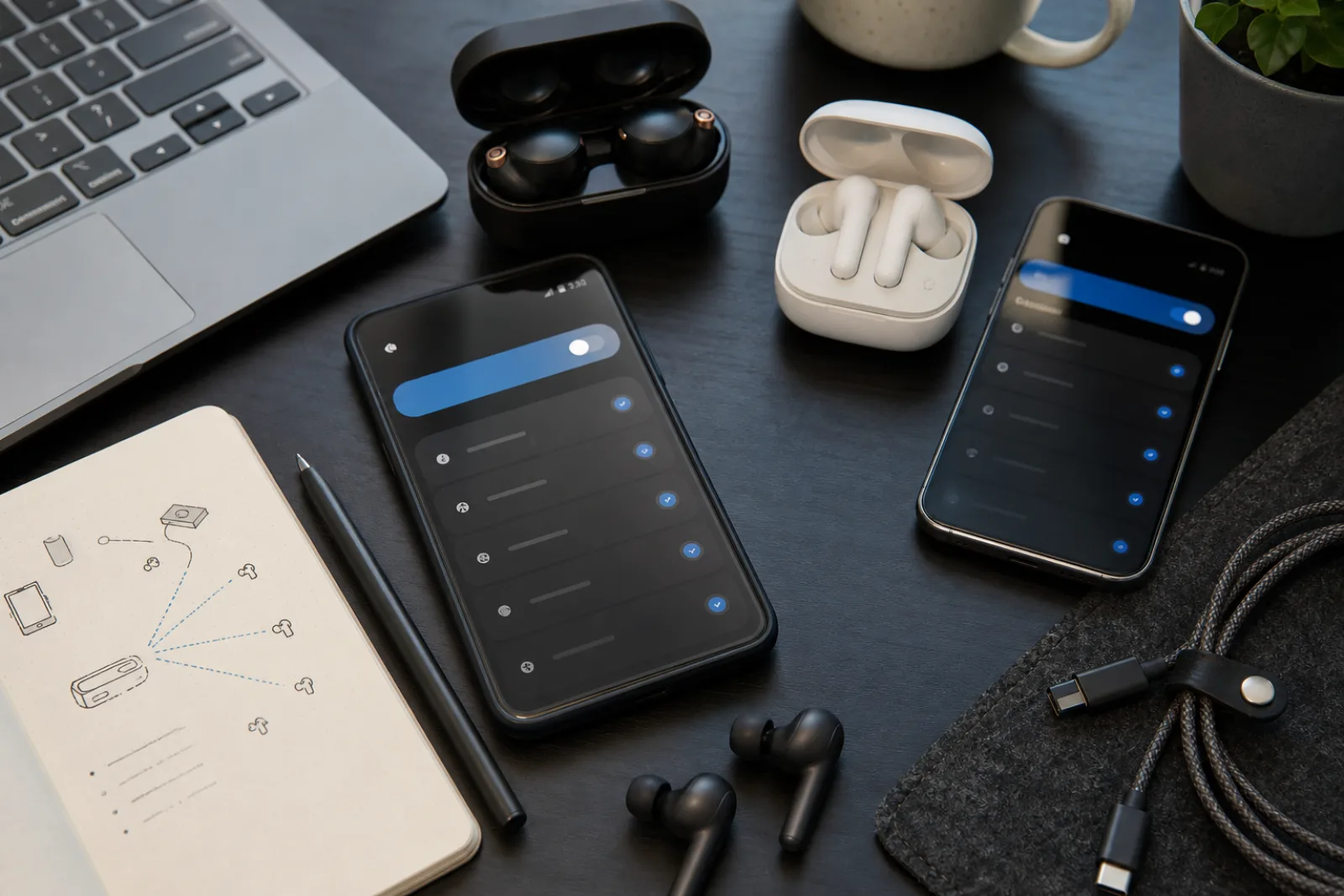
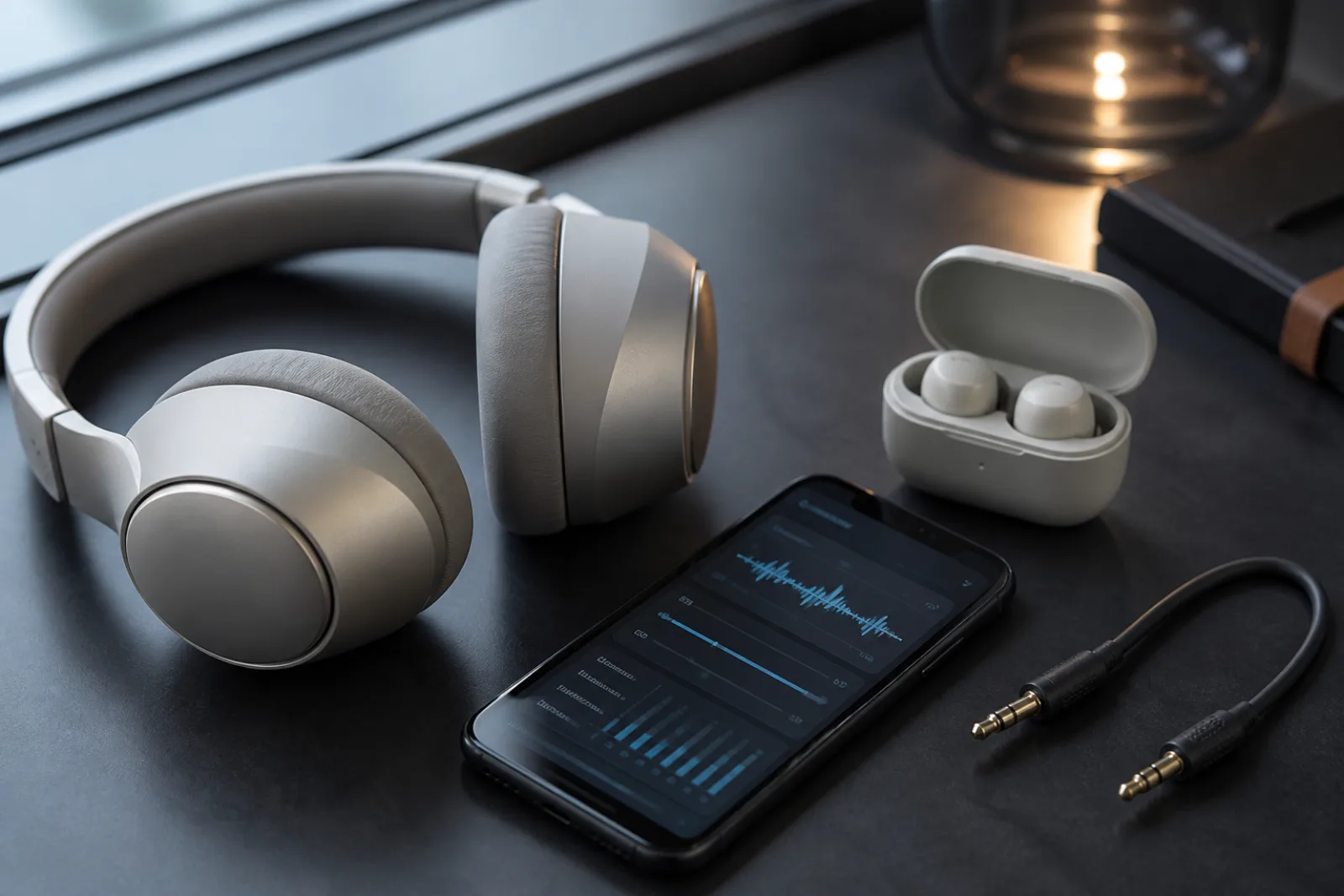
LE Audio matters when both devices support it: better LC3 efficiency than SBC, independent earbud streams, hearing aids, and Auracast. A Bluetooth 5.3 badge without LE Audio profiles is still Classic audio.
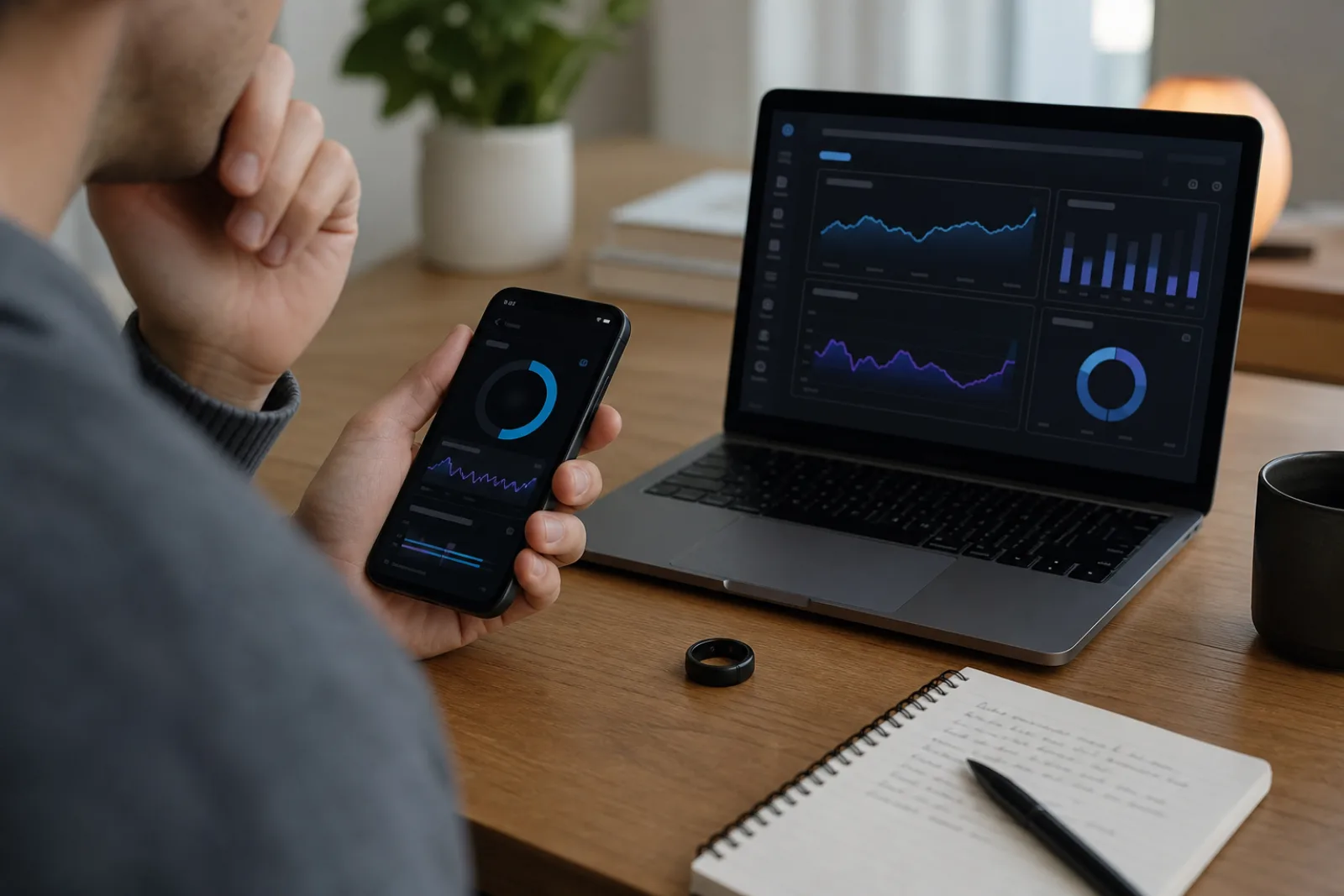
Smart-ring recovery scores are device-specific trends, not medical diagnoses. Use week-scale changes on the same ring. A single low morning is a prompt, not a verdict. These are not FDA-approved diagnostic tests.
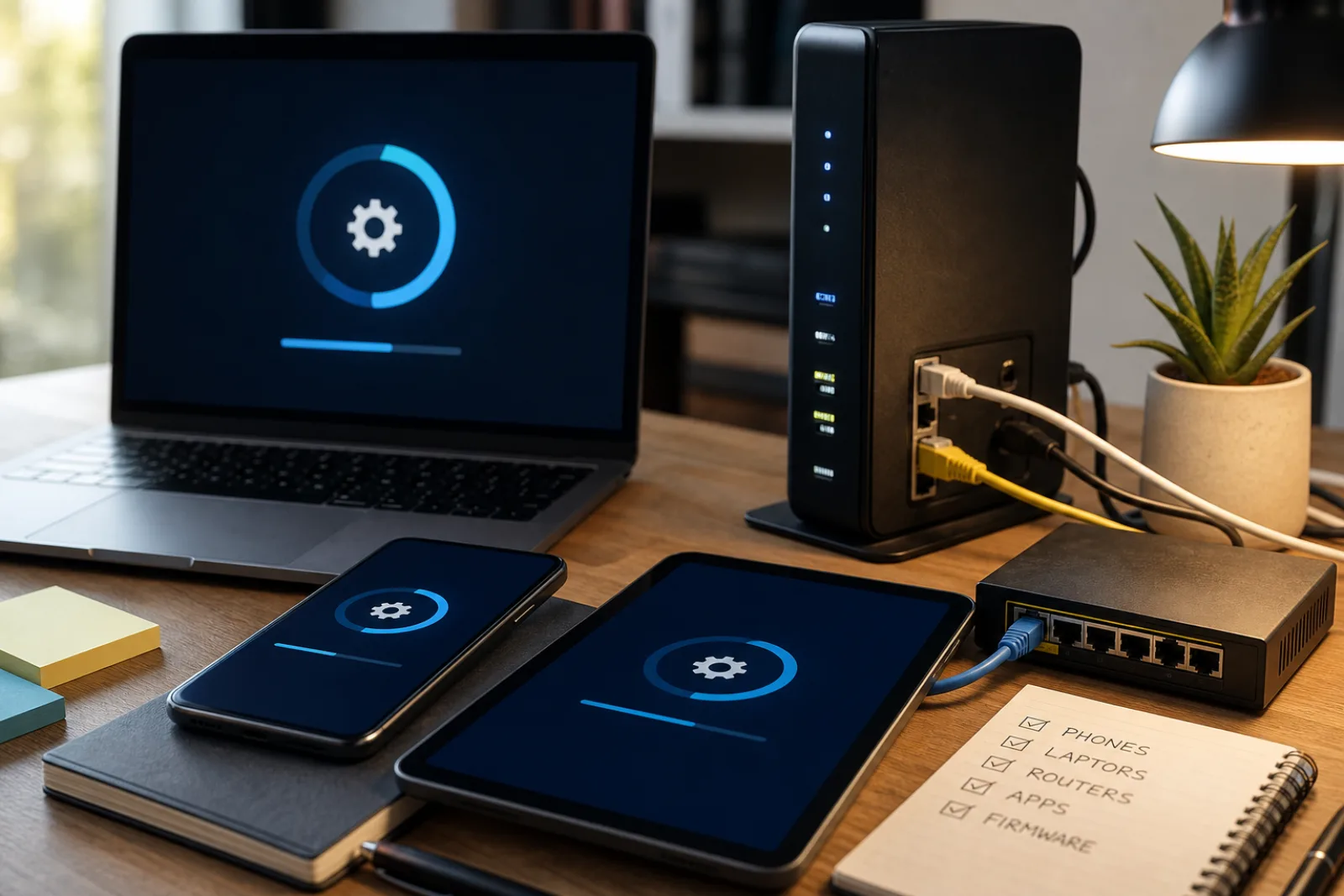
CISA wants automatic updates on, and unsupported software retired. The work is the forgotten surfaces: routers, IoT, and devices past their vendor support window, plus a backup before a major OS upgrade.
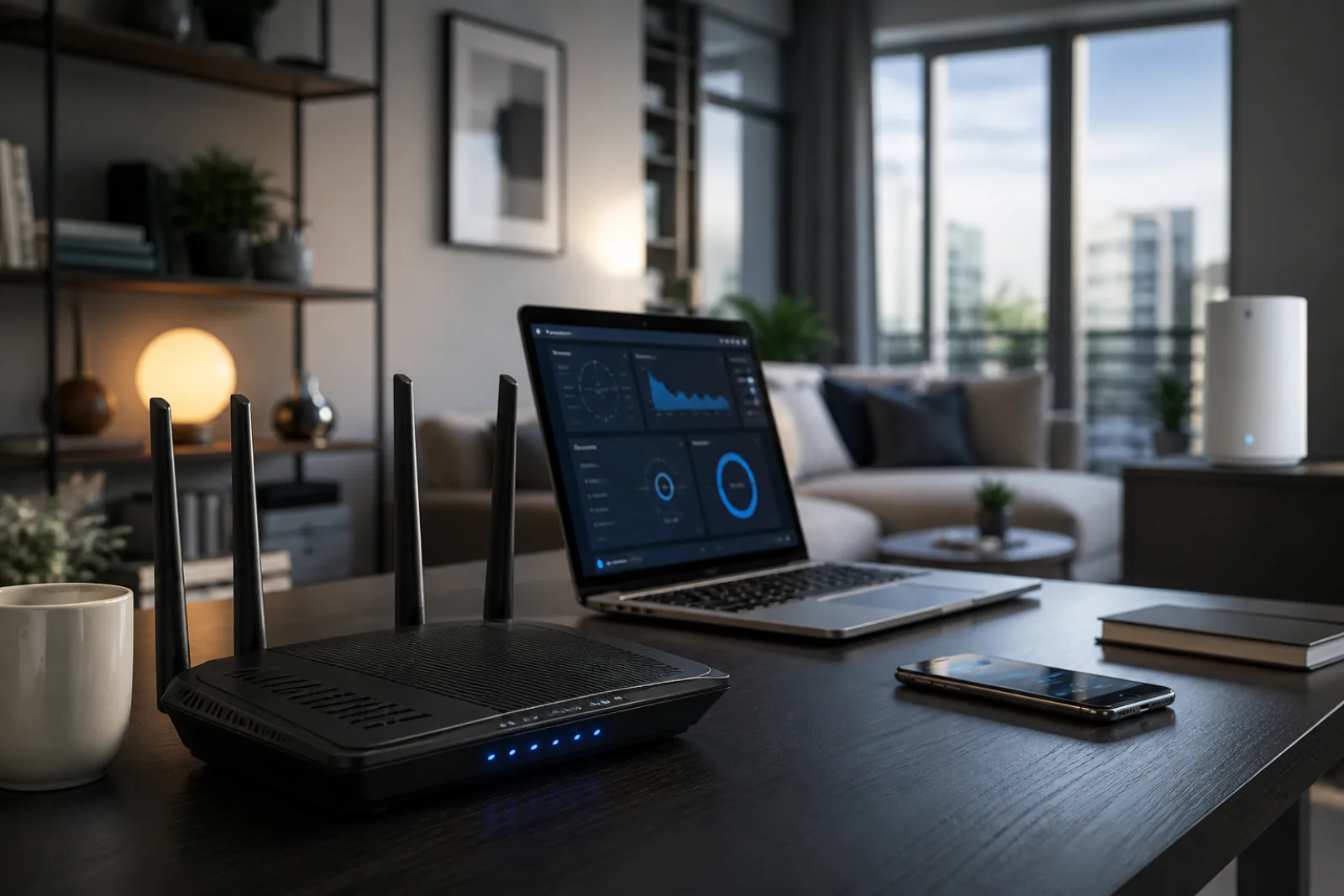
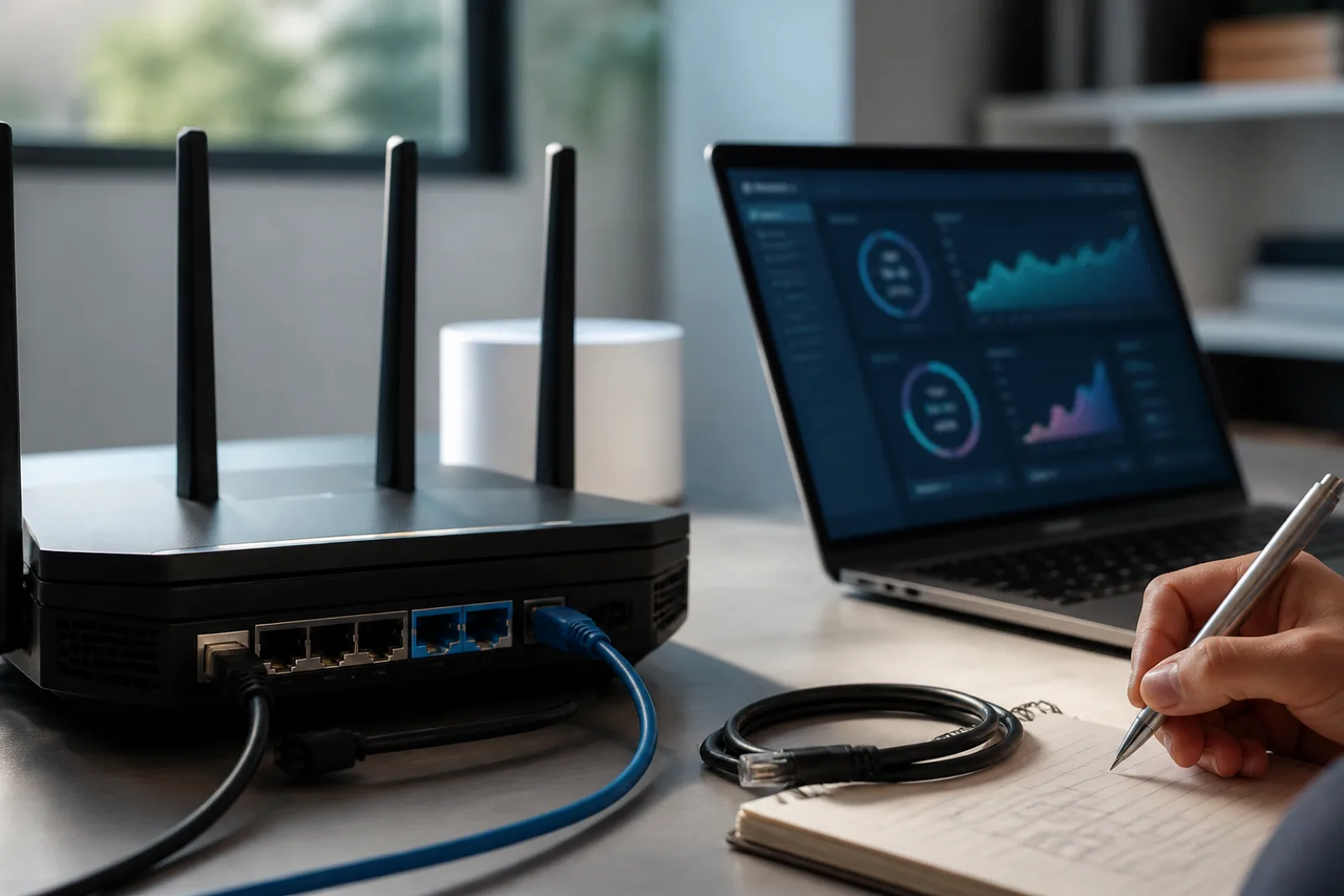
A faster internet plan does not fix a router in a closet. FCC, Google Nest, and Netgear all point to the same placement: central, elevated, away from metal, masonry, and microwaves.
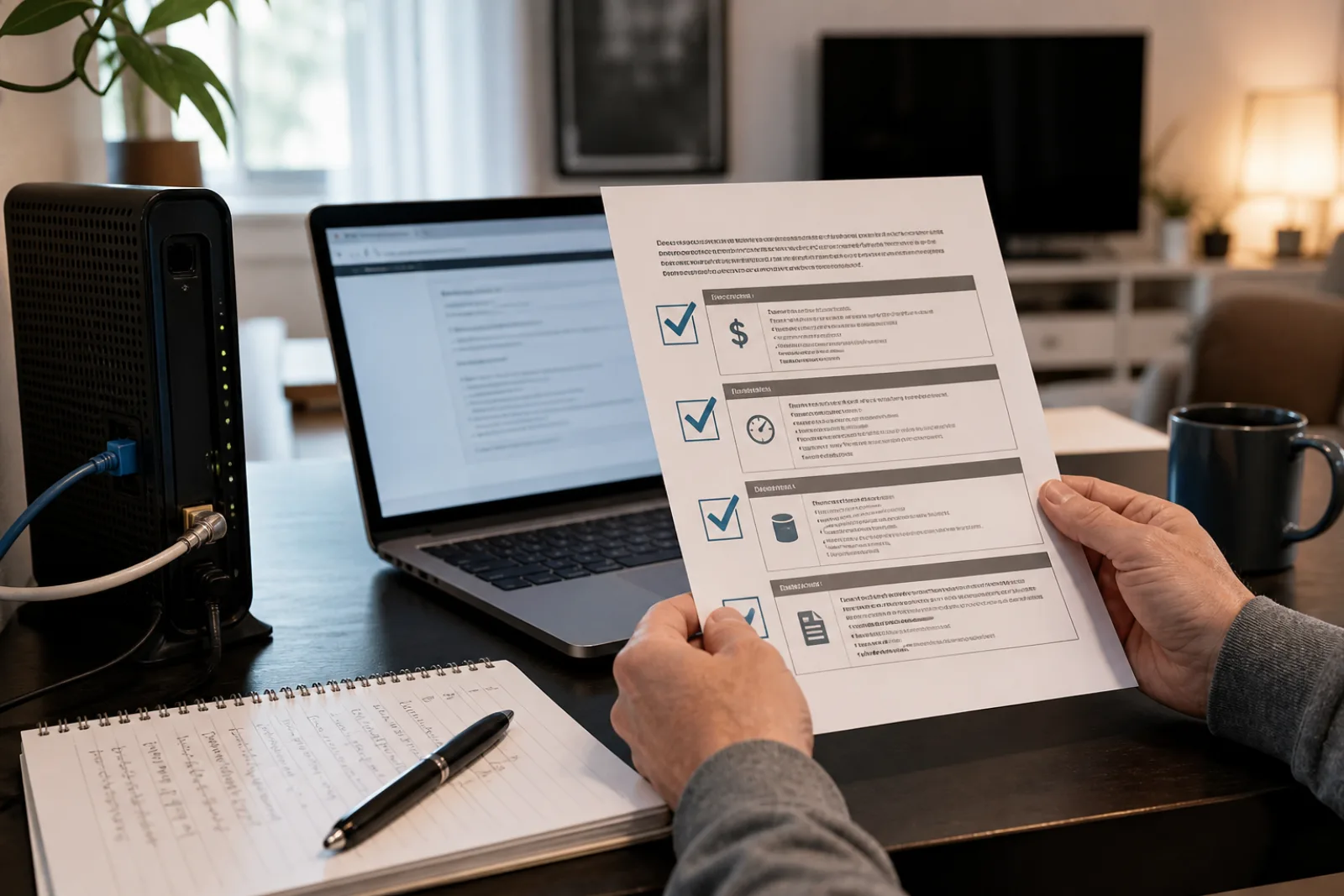
Ignore the plan name's 'up to' speed. The FCC label's typical download, typical upload, post-promo price, and data allowance are the four fields that actually describe the service you are buying.
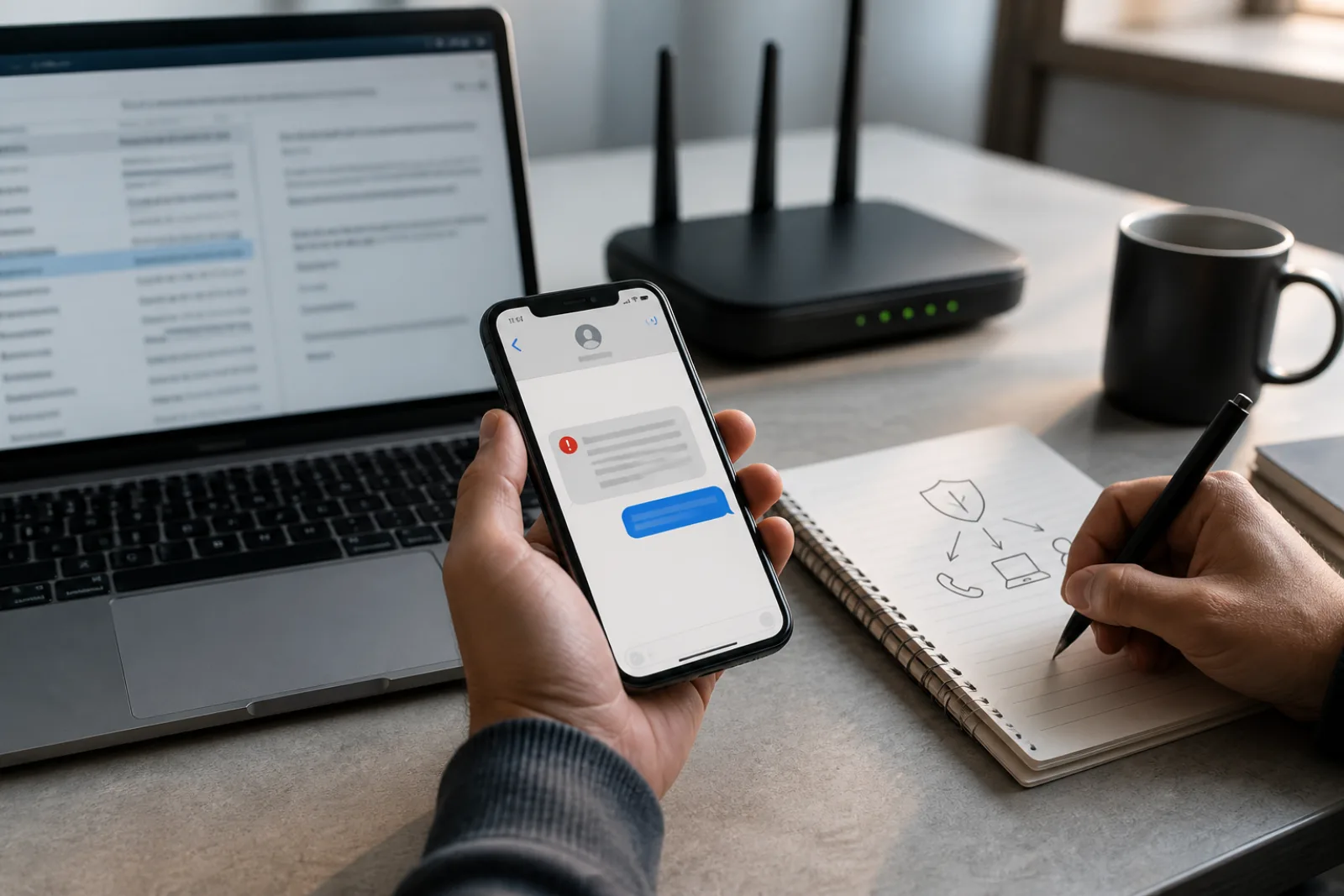
Phishing generated more FBI complaints in 2024 than any other cybercrime. Here's what CISA and the FTC actually recommend for spotting it and shutting it down before it costs you anything.
For long sessions, raise the laptop screen and use an external keyboard and mouse. OSHA's screen-height and keyboard-height targets cannot both be met by a clamshell. A stand without a keyboard just moves the strain.
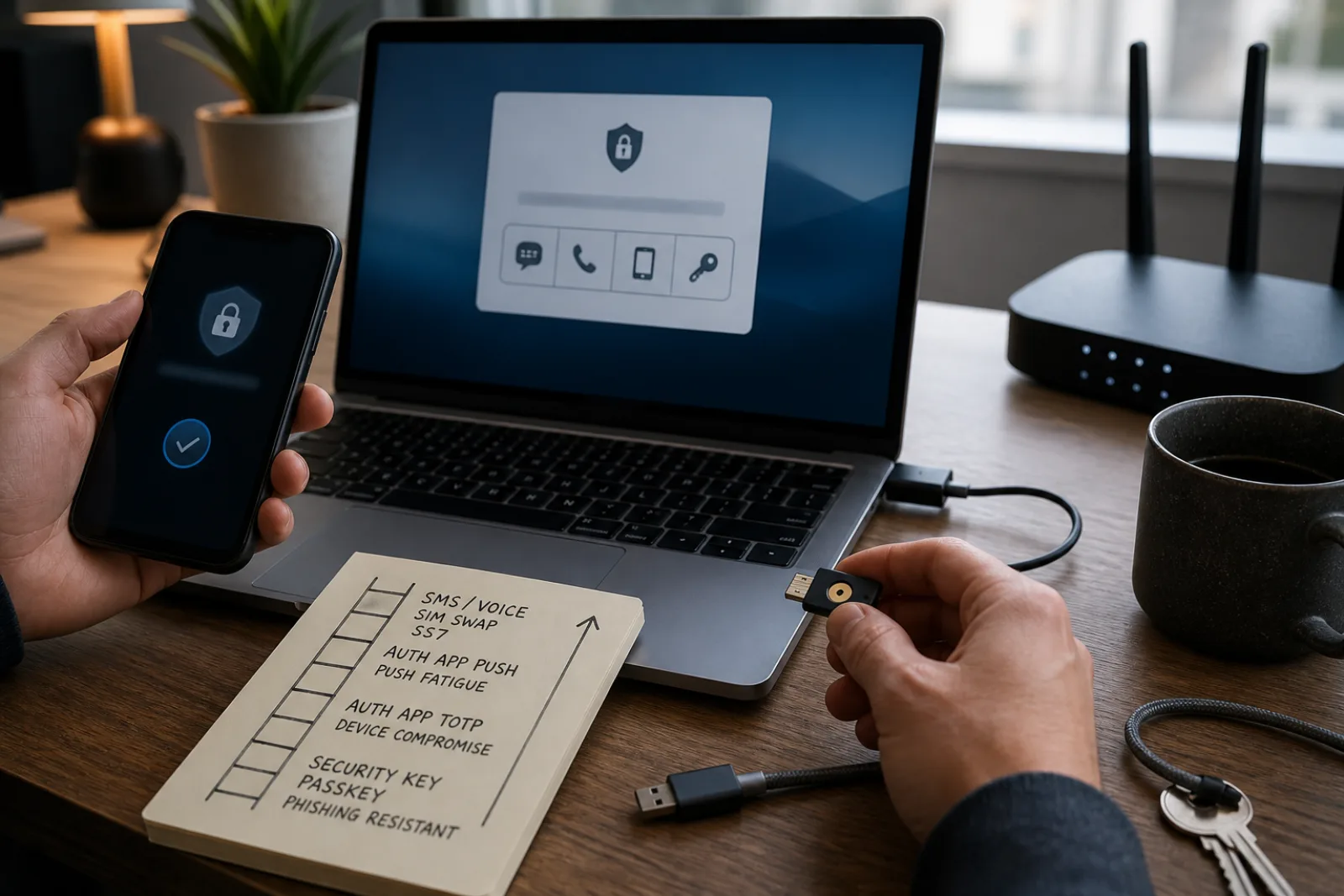
SMS codes, authenticator apps, security keys, and passkeys are not interchangeable forms of MFA. Here's what each one actually stops, and which accounts to upgrade first.
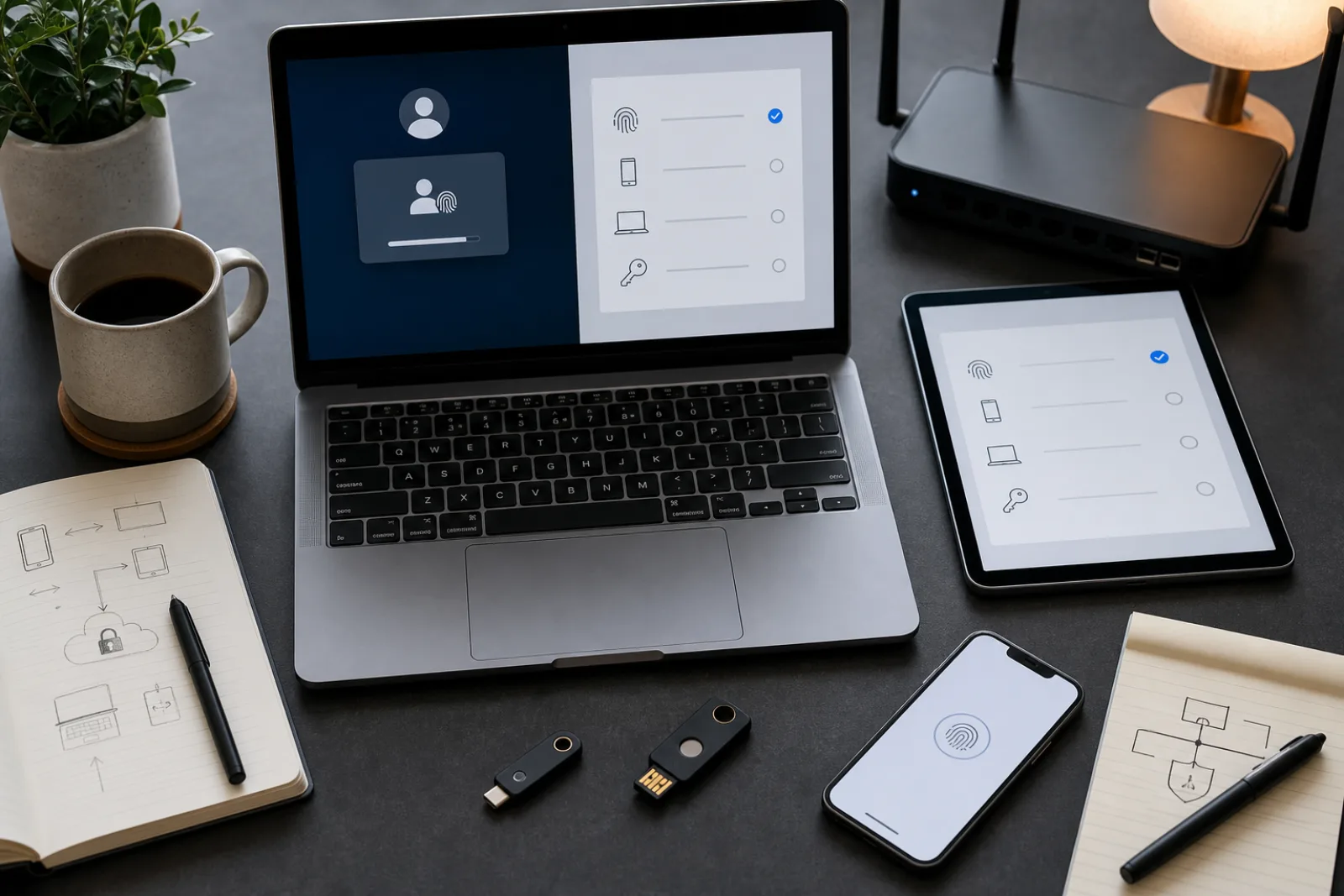
Passkeys use public-key cryptography instead of a password you type and a server can leak. Here is how the sign-in actually works, and where the real weak point sits.
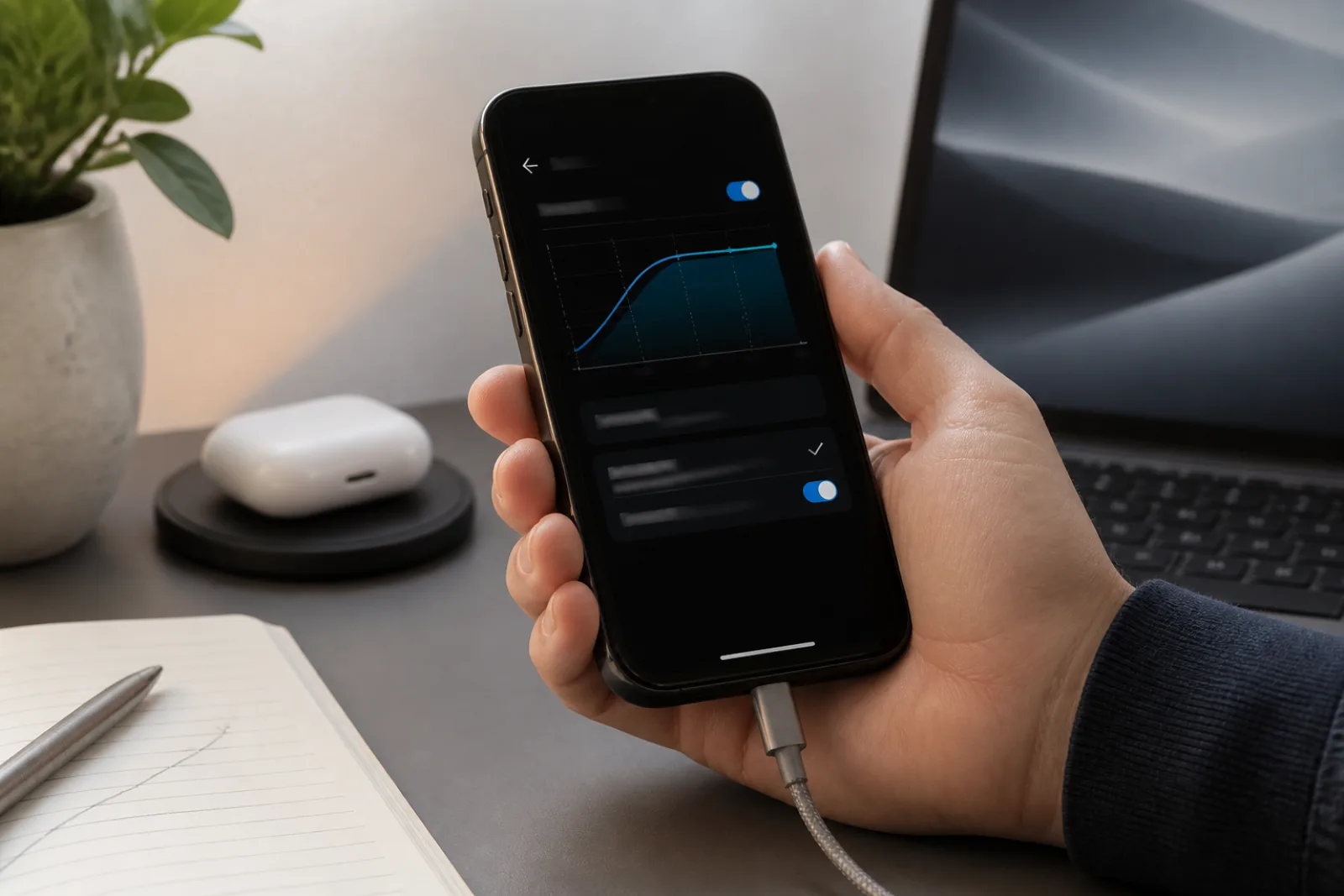
Optimized battery charging holds your phone below 100 percent for hours, then finishes charging right before you wake up, because full charge is what ages a lithium-ion battery fastest. It is a real trade-off, not just a feature.
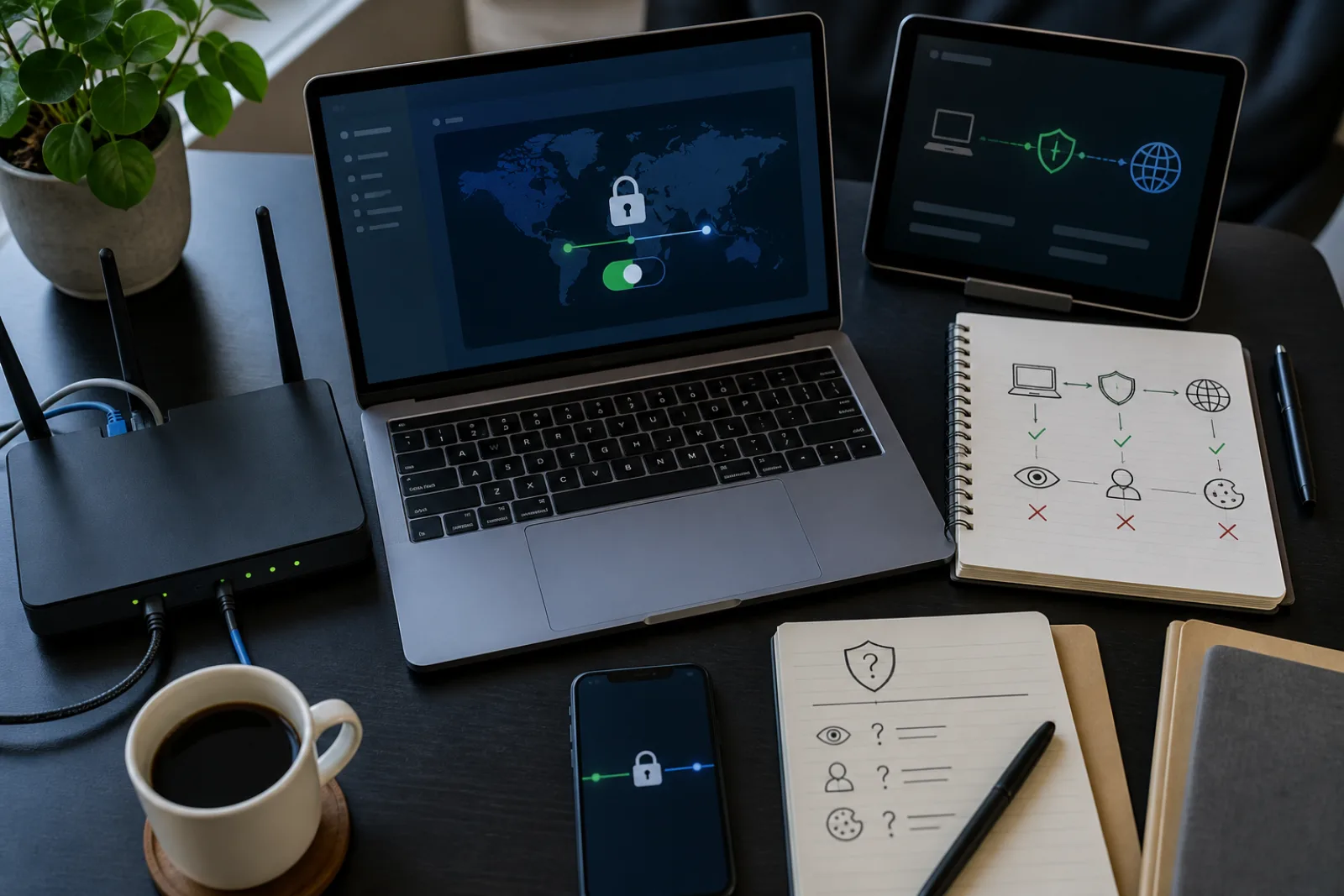
A VPN hides destinations from your ISP and encrypts the cafe Wi-Fi hop. It does not hide your identity from sites you log into, and CISA says it mainly moves residual risk to the VPN company.
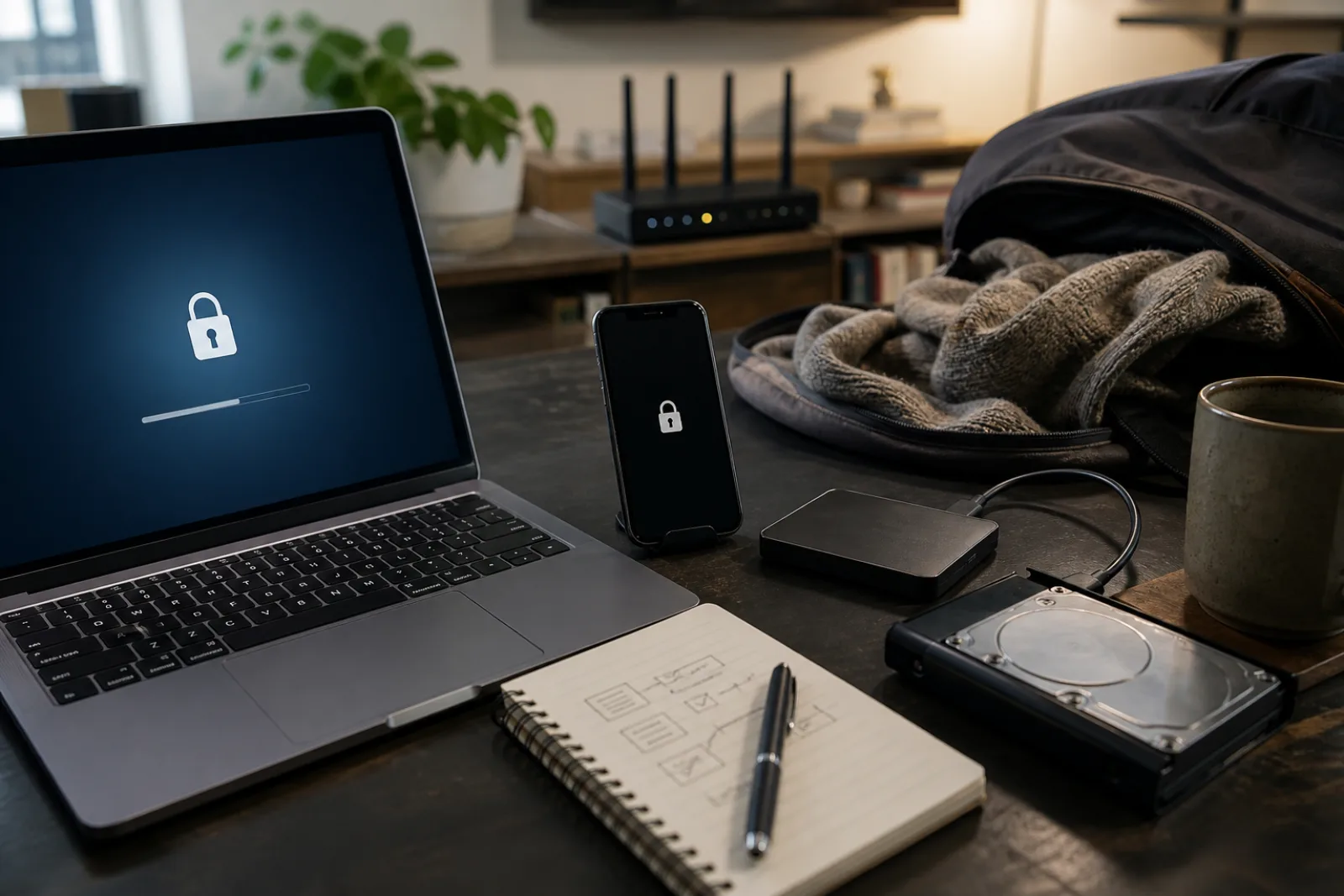
Device encryption protects a powered-off laptop if the drive is removed. It does not protect an unlocked phone in someone's hands, and iCloud or Google backups are a different surface than the device itself.
Wi-Fi 7 adds 320 MHz channels, 4K QAM, and Multi-Link Operation. At home, MLO can improve reliability when both ends support it. A new router will not outrun your ISP or fix a closet-mounted access point.
Bluetooth audio still compresses, still shares 2.4 GHz, and still buffers for reliability. LC3 and LE Audio improve the tradeoff. They do not make wireless identical to a 3.5 mm cable.