Single-purpose objects look like a revolt against the smartphone. The numbers say something narrower: a small, often expensive market formed around devices whose selling point is refusing extra jobs, while 91 percent of U.S. adults still carry the machine that swallowed those jobs in the first place.
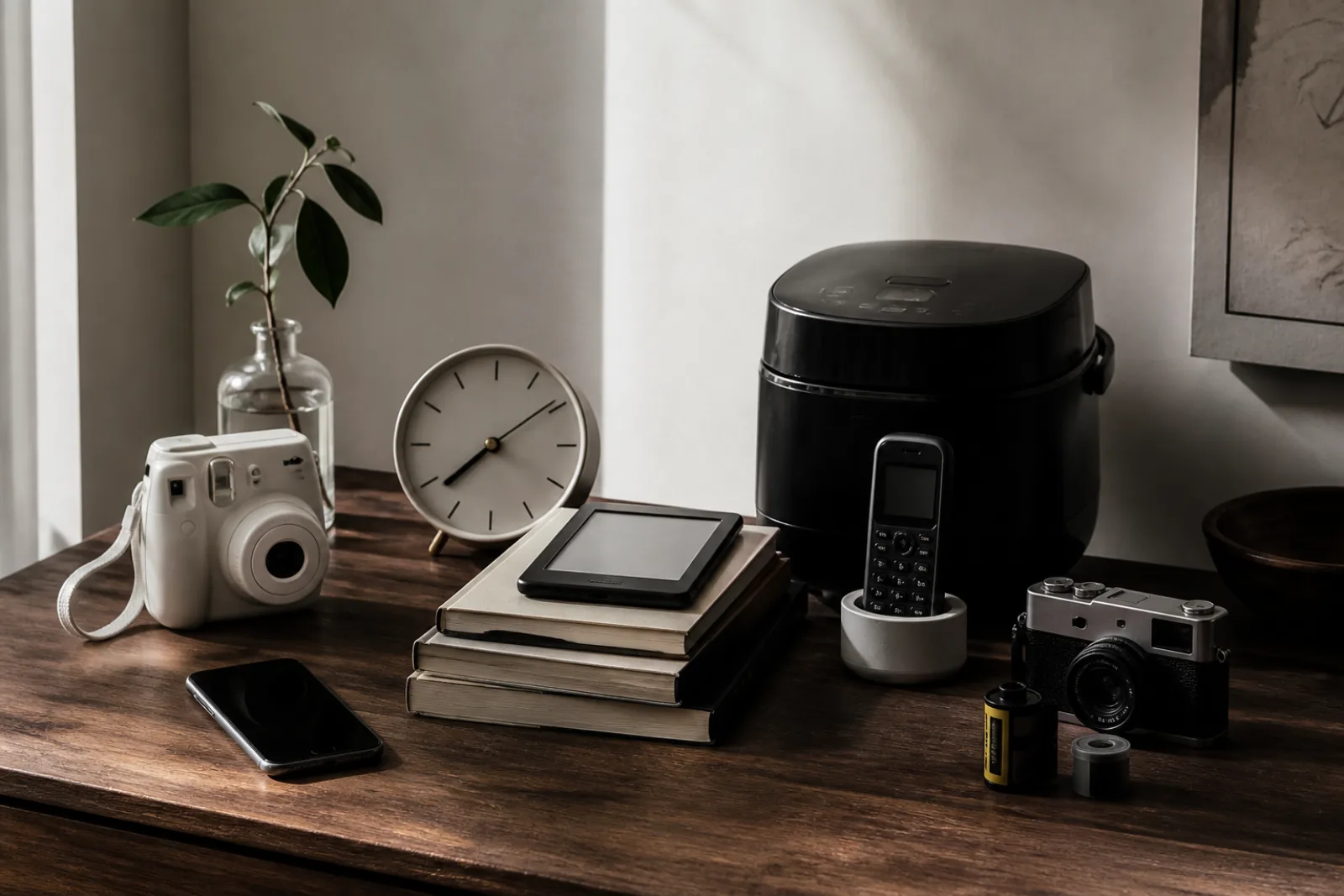
Dedicated objects did not return as a mass analog renaissance. After smartphones absorbed cameras, clocks, notes, and books, a smaller market formed around devices whose job is to refuse extra jobs. The evidence is specific and uneven: Amazon's biggest Kindle hardware quarter in more than a decade, Fujifilm Instax past 100 million cumulative units, U.S. feature phones at about 2 percent of the handset market, Kodak film demand rising while the company itself remains financially troubled. A focused object is not automatically well designed or necessary. It is a spatial and cognitive bet that one job is worth a drawer.
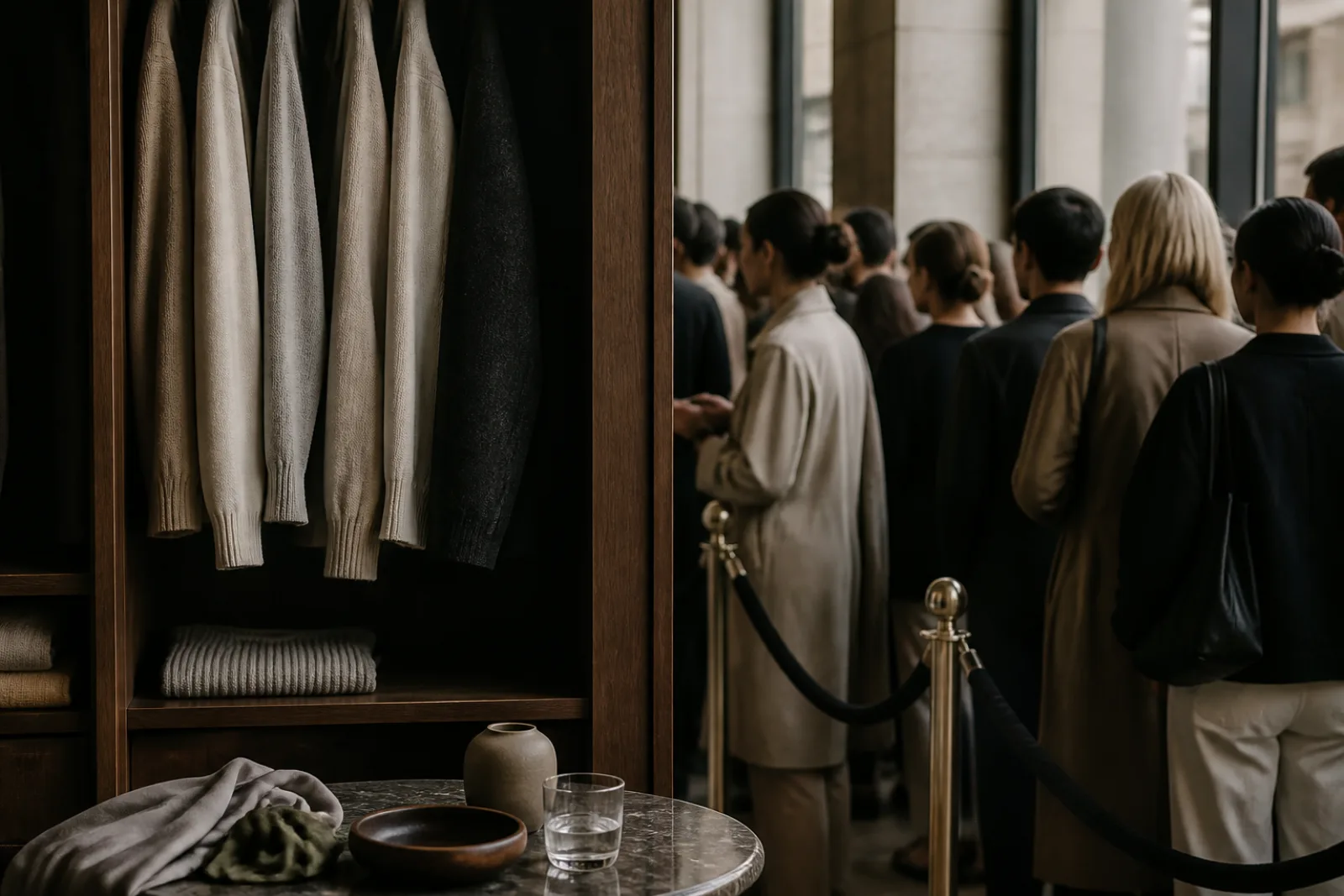
LVMH still called Loro Piana remarkable in 2024 and 2025 while Fashion and Leather Goods shrank. Quiet luxury as a TikTok era had dates. Understatement as a class signal did not begin or end with them.
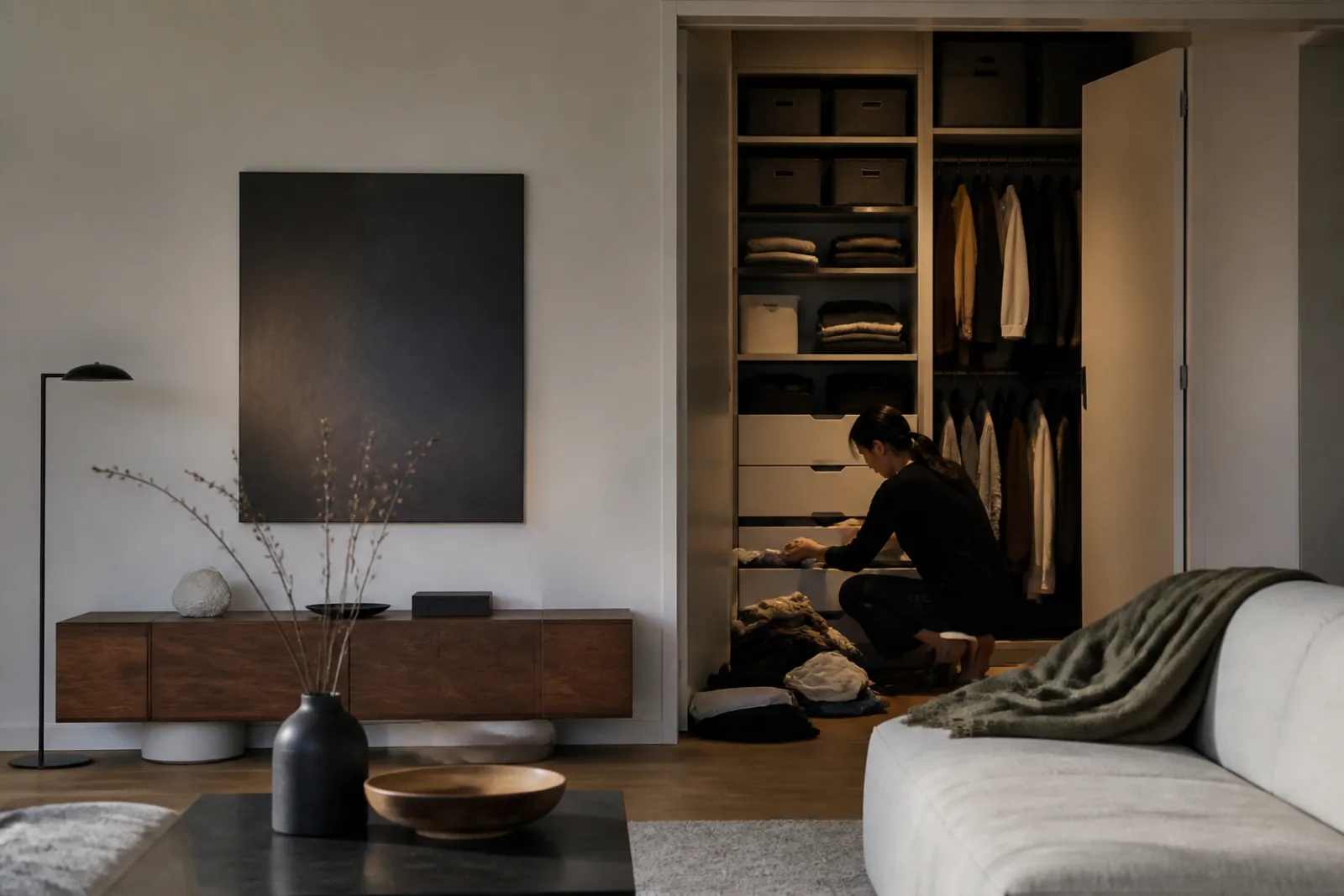
Millennial gray, iOS 7's flat interface, and storage systems that hide daily life turned calm into a look you can buy. The look lasts as long as the labor of putting things away. Concealment is the product. Peace is the copy.
9 MIN
The weekly letter
CULTURE COLUMN in your inbox.
One useful story, a short edit of objects and ideas, and no manufactured urgency.